
Allergies in kids rarely stay in one place. Skin, nose, lungs, stomach all can be involved and can react to dust, a food, pollen in the air, and suddenly your child’s dealing with symptoms affecting one part of their body, sometimes more than one at once.
Child allergy symptoms run the usual gamut: sneezing, a nose that won’t stop running (or get severely blocked), coughing, wheezing, itchy rashes, swelling, an upset stomach after eating something specific.
Parents blame “another cold” a lot. Understandably, colds are common, but allergies are different. When the same symptoms show up every few weeks like clockwork, that’s not really a cold pattern anymore. It’s worth figuring out what’s actually triggering it rather than treating each episode like a new, unrelated illness.
What Are Allergies in Children?
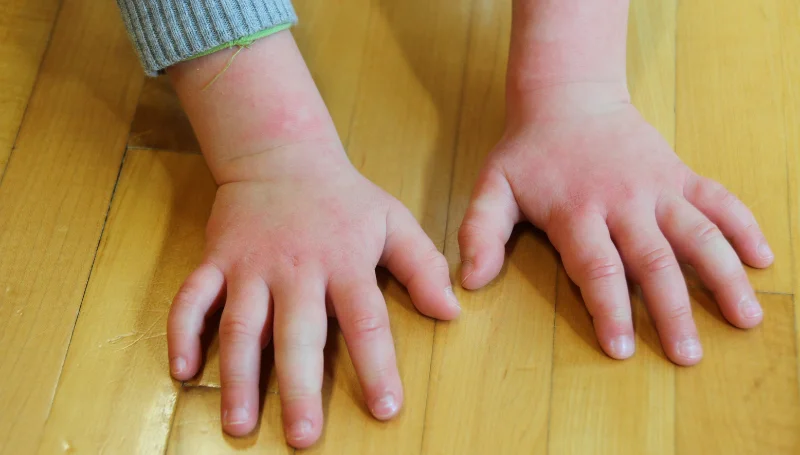
An allergy in children is just the immune system reacting. Dust, pollen, a food your child ate – none of it can be inherently dangerous, but the immune system decides to fight it anyway. That misfire is what produces allergic reaction in children, and the intensity ranges from “barely noticeable” to genuinely severe.
Dust mites, pollen, certain foods, pet dander, insect stings – these make up most of the usual list of allergens. Here’s the part that trips people up though: two children can be exposed to the exact same thing and react completely differently. One sneezes a little. The other’s covered in hives. There’s no consistent rulebook, because every immune system responds differently to the same trigger.
And this is genuinely where a lot of parents get confused. An allergy is not an infection. Infections come from a virus or bacteria, and they eventually clear up on their own, timeline more or less predictable.
Allergies don’t work that way; they show up again and again, every single time your child is exposed to the trigger.
Recurring respiratory symptoms in children could mean an infection, could mean asthma, could mean an allergy. Sorting out which one it is genuinely a job for a pediatrician, not a guessing game at home. So, it’s important that you consult a pediatrician early when recurring symptoms show up.
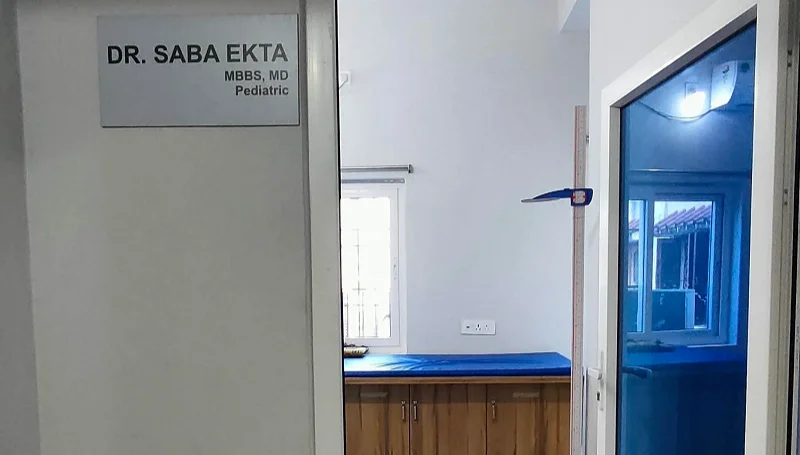
👉 Consult Dr. Saba Ekta for a Pediatric Consultation
Child Allergy Treatment in Gaya
Child allergy treatment in Gaya doesn’t come in one standard package. Two kids with what looks like the same allergy might end up on completely different treatment paths, because so much depends on the specifics.
Doctors typically factor in:
- The type of allergy – food, skin, respiratory, insect-related
- How severe things get
- The child’s age
- Likely triggers, based on history
- Frequency of reactions
- Whether asthma or something else exists alongside the allergy
At Dr. A Barkat Multispeciality Hospital, the Pediatrics Department handles the diagnosis and allergy testing, then builds a treatment plan specific to that child, not a copy-paste prescription. Dr. Saba Ekta, the best pediatrician in Gaya can look at recurring symptoms, work out what’s likely triggering them, and map out what actually needs to happen from there.
As the Consultant Pediatrician and Neonatologist, Dr. Saba Ekta is the one leading this process for families across Gaya. She’s seen this exact “is it a cold or is it something else” confusion play out more times than most parents would guess. Here are some common types treated at the pediatric department.

Common Types of Children Allergies Treated
Every allergy doesn’t look alike, and honestly, the pattern itself is often the biggest clue a parent gets before ever seeing a doctor.
1. Food Allergies
Milk, eggs, peanuts, wheat – these show up again and again as the common triggers. Hives, swelling, vomiting, and occasionally breathing trouble can follow fairly quickly after eating.
2. Respiratory or Environmental Allergies
Dust, pollen, pet dander, mold. Sneezing, congestion, watery eyes tend to follow, and things usually get worse when the seasons shift.
3. Skin Allergies
Itching, redness, hives, rashes. Sometimes there’s a clear cause like new soap, a certain fabric. Sometimes there just isn’t one you can point to.
4. Insect Allergies
Some kids shrug off a bite or sting with barely a mark. Others react far more strongly, with swelling or discomfort well beyond what you’d normally expect.
Diagnosing your child yourself isn’t the goal here. Just noticing the pattern gives the doctor a real head start. With the types out of the way, it’s worth getting specific about what the symptoms actually look like, body system by body system.
Symptoms of Allergies in Children
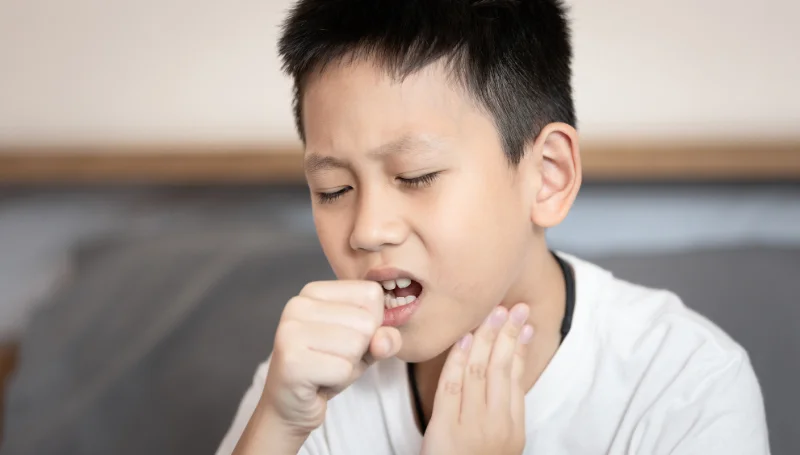
Symptoms don’t always show up in the spot you’d expect, so thinking in terms of body systems tends to help.
- Nose and eyes: sneezing, a runny nose, congestion, itchy or watery eyes. Usually the first thing a parent notices.
- Skin: hives, itching, redness, rashes – sometimes sudden, sometimes building slowly with repeated exposure.
- Respiratory: cough, wheezing, breathing difficulty. This one deserves real attention, because wheezing overlaps heavily with asthma symptoms in children too. Recurring wheeze needs a pediatrician’s evaluation, not a wait-and-see approach at home.
- Digestive: vomiting, stomach discomfort, diarrhea are often tied to something eaten not long before.
These symptoms vary a lot between kids, even ones with the identical allergy. One sneezes occasionally and moves on with the day. Another ends up with a rash head to toe from the exact same trigger. That gap is exactly why guessing at home so rarely lands on a clear answer.
What Causes Allergies in Children?
Allergy triggers in children are documented fairly well by now, though finding the specific one for a specific child is rarely as neat as it sounds. Certain foods, dust mites, pollen, pet dander, mold, insect stings, and occasionally certain medications – these are the common allergens doctors keep coming back to.
Pinning down the actual trigger, when it’s possible to do so, cuts down repeated exposure and genuinely makes life easier day to day. That said, not every allergic reaction comes with a clean, obvious cause attached to it. Sometimes it takes weeks of testing and just paying attention before a pattern actually emerges, and that’s completely normal, not a sign anyone’s doing something wrong.
Once there’s a working idea of what’s triggering things, diagnosis becomes the next real step, and it’s more structured than most parents walk in expecting.
How Are Childhood Allergies Diagnosed?
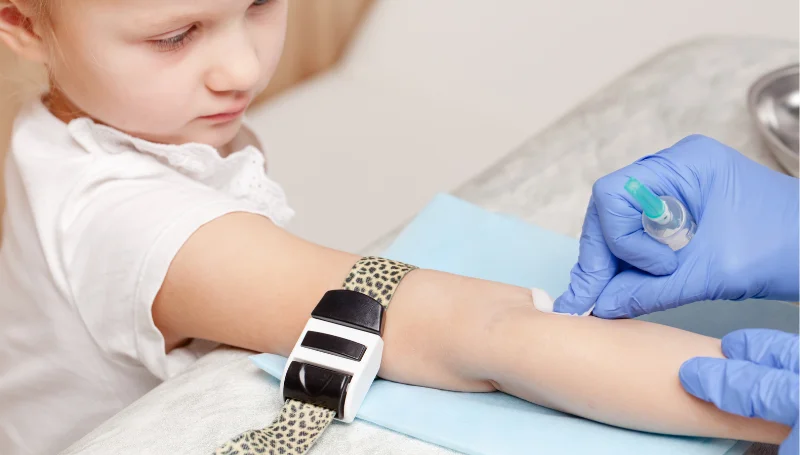
It starts with a conversation, not a needle. A pediatrician asks about your child’s symptoms, medical history, exposure history, when things happen and how often. After meals? During a certain season? Whenever the neighbor’s cat is around?
Testing follows where it’s clinically appropriate. The hospital’s Pediatrics page notes that its Allergy & Immunology service runs complete allergy testing alongside individualized treatment plans.
Common tests include:
- Skin prick tests – a small amount of allergen placed on the skin, watched for a reaction
- Blood tests – measuring specific antibodies tied to allergic responses
- Elimination trials – mainly for suspected food allergies, removing a food, then reintroducing it under supervision
Paired with the child’s history, these tests give doctors something far more solid to work from than guesswork alone.
How Are Allergies Treated in Children at the Hospital?
How an allergy gets treated depends heavily on the specific allergy and how severe it is, which is exactly why a personalized plan beats a generic checklist every time.
1. Trigger Avoidance
Cutting down exposure to a known allergen, a food, dust, a pet, is usually the first step, and often the simplest one available.
2. Medicines
Doctors may recommend medicines to help manage symptoms like itching, congestion, or skin reactions. This isn’t a decision to make on your own at a pharmacy counter; it belongs with your child’s doctor.
3. Allergy Management Plans
An individualized plan, checked and adjusted through regular follow-up, lets doctors track how a child responds over time rather than treating it as a one-time fix.
4. Managing Associated Conditions
Some children carry overlapping conditions alongside allergies – asthma being the most common pairing. The hospital’s pediatric allergy & immunology service builds treatment plans covering childhood allergies, asthma, and immune-system disorders together, rather than handling each one separately.
If your child shows signs of both, understanding childhood asthma treatment alongside allergy management becomes genuinely important.
None of this gets solved by a home remedy alone. Which raises the real question: when does a pediatrician visit actually become necessary?
When Should You Take Your Child to a Pediatrician for Allergies?
Some symptoms are fine to watch for a bit at home. Others really shouldn’t wait.
Consider booking a visit if:
- Symptoms keep returning despite your usual precautions
- They’re interfering with sleep or school
- Your child has persistent itching or rashes
- Reactions follow specific foods, consistently
- Cough or wheezing keeps recurring
- Basic home measures aren’t making a dent
- You genuinely can’t identify the trigger
If your child’s allergic symptoms keep returning, consulting Pediatric specialist Dr. Saba Ekta can help identify the cause and guide the right treatment.
There’s also a real line between routine and urgent here, and it’s worth knowing where it sits. Severe breathing difficulty, significant swelling, or any reaction that seems to be escalating fast – that calls for urgent medical attention right away, not a scheduled appointment next week.
Consult our pediatrician if your child shows any of these warning signs, or book a routine allergy evaluation.
How Can Parents Help Prevent Allergy Flare-Ups?
Once the triggers are known, prevention gets a lot more manageable than it initially seems. Start with identifying what sets things off and cutting exposure where you reasonably can.
Keeping living spaces clean, from dust and mold especially, makes a real difference for respiratory allergies.
Steering clear of known food triggers, sticking to the treatment plan as prescribed, and staying consistent with any required medications all add up to better symptom control over time.
Follow-up appointments matter too; that’s usually where small adjustments happen before things get worse. Not every allergy can be prevented completely, but consistent habits genuinely bring down how often flare-ups happen.
FAQs
A few questions parents ask often about their child’s allergies, answered directly below.
1. What are the signs of an allergic reaction?
Sneezing, rashes, itching, swelling, or an upset stomach not long after exposure to a trigger.
2. How to treat allergies in kids at home?
Avoiding known triggers helps to a point, but anything persistent or severe really needs a pediatrician’s evaluation.
3. Can children outgrow allergies?
Often, yes. Certain food allergies especially tend to lessen or disappear as kids get older.
4. How do I know if my child has an allergy?
Watch for symptoms that keep repeating around the same food, season, or environment, then get it looked at.
5. Can allergies cause breathing problems in children?
Yes, wheezing and coughing can both show up, especially when asthma is part of the picture too.
6. When should a child get allergy testing?
Once symptoms are recurring, hard to explain, or genuinely affecting daily life.
7. Can childhood allergies be cured?
Not always cured outright, but they can usually be managed well with the right treatment plan in place.
Seek Timely Consultation in Gaya
Childhood allergies, more often than not, are manageable once someone actually evaluates the triggers and symptoms properly instead of guessing at them.
If your child’s symptoms keep recurring, feel severe, or are getting in the way of everyday things like sleep or school, that’s reason enough to get a pediatric opinion rather than wait it out further.
Book Appointment with the pediatric department at Dr. A Barkat Multispeciality Hospital, Gaya, and get a treatment plan built specifically around your child.

Leave a Reply