
Loss of appetite in children in Gaya is probably the most common complaint parents bring up during pediatric visits. And honestly, most of the time it’s nothing; kids eat less when they’re sick, going through a growth spurt, or just due to seasonal fluctuations. That’s normal.
But when a child is not eating properly for several days, especially if they’re losing weight or looking weak, that’s a different situation. That needs a doctor.
The reason it matters: nutrition isn’t just about energy. It’s what helps support a child’s immune system, drives their physical growth, and shapes how well their cognition develops.
The earlier you catch the problem, the easier it is to fix. If your child has been consistently eating less than usual, consulting the best pediatrician in Gaya is the first right step. Early care protects both child development and long-term health.
Loss of Appetite in Children in Gaya – Recognize Signs on Time
One skipped meal isn’t termed poor appetite in children. What you’re watching for is a pattern of several days of refusing food, eating noticeably less than usual, or just seeming completely uninterested in eating.
If these signs are present, its time to seek the best pediatrics care in Gaya. You are looking for a pediatrician that will assess your child for nutritional deficiency as well as growth problems.
Key signs to recognize include:
- Turning down meals they’d normally finish
- Eating much less than their usual portion
- Avoiding foods they used to like
- No interest in eating food for most of the day
It helps to understand whether the loss is temporary or a sign of something deeper.
| Temporary Appetite Loss | Persistent Appetite Loss |
| Lasts 1-3 days | Continues beyond a week |
| Usually linked to illness or teething | No clear short-term cause |
| Child remains active and hydrated | Accompanied by weakness or weight loss |
| Appetite returns on its own | Requires pediatric evaluation |
| Common cause of loss of appetite in babies | May indicate nutritional deficiency or infection |
That distinction matters. One tells you to wait it out; the other tells you to make an appointment.

Common Causes of Appetite Loss in Children

There’s no single reason behind why children stop eating. But there are usually four common categories that come up over and over in pediatric practice.
1. Infections
Fever, throat infection, viral illness, typhoid – these are the most common culprits of sudden appetite loss in children. When the body is fighting something off, hunger gets pushed to the back seat.
That’s the immune system doing its job. But a sore throat also makes swallowing physically painful, which compounds the problem.
Typhoid deserves a specific mention here. It’s still common in parts of Bihar, including Gaya, and it can suppress appetite for weeks, not days.
If your child has a fever that won’t go away alongside poor eating, don’t wait to get them tested. You can read more about typhoid in children treatment in Gaya.
2. Nutritional Deficiencies
This one surprises parents. National Family Health Survey (NFHS-5) data shows over 67% of children under 5 in India are anaemic.
Iron deficiency in the body plays a double role, it weakens both your energy levels and your appetite. Zinc deficiency is similar in that it makes people feel less hungry.
So, it is possible that poor eating results in low levels of these minerals and in turn, these deficiencies cause low sensations of hunger.
Breaking this cycle of mutual reinforcement is important and that is why simply addressing these nutritional inadequacies might as well be a natural appetite stimulant for children.
3. Emotional and Lifestyle Factors
Nobody talks about this enough. School stress, changes at home, social difficulties, these affect eating. A child doesn’t need to have a diagnosable condition for emotional pressure to hit their appetite.
Sleep matters too. Ghrelin and leptin are the two hormones that hunger is controlled by, and these can get out of balance due to disturbed sleep.
Also, if snacks are the only thing your child prefers and chips and biscuits are their main diet during the day, then do not be surprised if they do not eat dinner.
Over time, relying heavily on processed foods can reduce sensitivity to real hunger cues. That is the reason adolescents who experience loss of appetite are usually thought of as behaving badly but actually, it is a legitimate and quite treatable problem.
4. Digestive Problems
Stomach infections, diarrhea, constipation, all of these physically interfere with appetite. An inflamed or uncomfortable gut tells the body to pump the brakes.
Constipation creates a sensation of fullness that makes food feel unappealing. Moreover, diarrhea depletes fluids and nutrients so fast that eating feels hard. If digestive issues keep recurring alongside poor appetite, it’s worth looking into pediatric diarrhea treatment in Gaya.
Note that understanding these causes helps you communicate clearly with your child’s doctor and speeds up diagnosis.
Warning Signs Parents Should Not Ignore
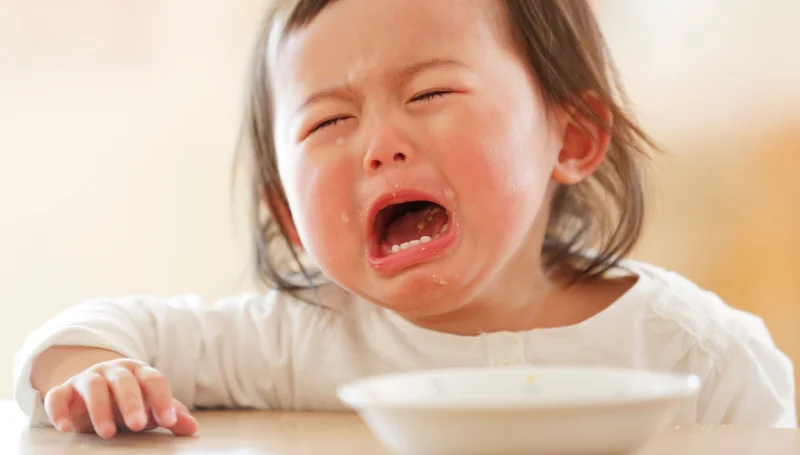
Most appetite dips resolve on their own in a day or two. But a 5-year-old tired and no appetite, or a sudden loss of appetite in a 2-year-old baby that persists beyond a few days, should not be managed at home alone.
These warning signs indicate that your child need medical evaluation to find out the real cause of appetite loss:
- Unexplained weight loss when the child is visibly getting thinner.
- Persistent weakness which is not just tiredness. There’s persistent lethargy or the child is disengaged.
- Dehydration signs with dry mouth, no tears when crying, and reduced urinating.
- Fever beyond 3 days can be typhoid and bacterial infections that don’t self-resolve.
- Repeated vomiting and food can’t stay down.
- Fatigue affecting daily activities. The child is not playing and not able to concentrate.
- Falling behind on growth and not gaining height or weight as expected
Two or more of these together? That’s your signal. Don’t wait it out and seek pediatric consultation promptly.
📞 Call 922-901-2038 | Visit Dr. A Barkat Multispeciality Hospital to Consult with Dr. Saba Ekta.
Can Poor Appetite Affect a Child’s Growth?
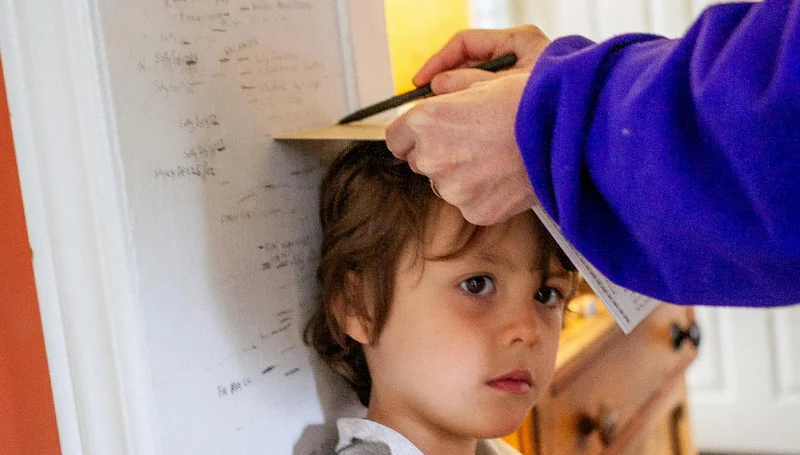
The short answer: yes, a lot. And not just physically. Poor appetite in children affects the child’s growth and development and the effects are extensive.
When a child isn’t eating enough, the immune system weakens first. More infections follow. More infections mean more appetite loss. Round and round this cycle goes, and the longer it continues, the harder it is to reverse appetite loss without medical intervention.
On the physical side, adequate protein, calcium, and micronutrients are non-negotiable for normal growth.
A child running on a sustained nutritional deficit can fall behind on height and weight in ways that become harder to recover from the older they get. Prolonged nutritional deficit may also begin to show signs of growth problems in children.
The brain takes a hit too. Research published in the Developmental Psychology shows that iron-deficient children are associated with poorer cognitive skills. Thus, nutritional recovery in early childhood can improve school performance meaningfully but only if it’s caught early enough.
Low energy makes kids seem withdrawn or uninterested, which parents sometimes chalk up to personality when it’s actually nutrition.
Growth problems from poor appetite don’t stay in childhood. Nutrition problems in children carry forward and can also affect a child well into their adolescence.
Tips That May Help Improve Appetite in Children
No magic fix here. But these habits genuinely move the needle and increase hunger in child naturally. Here are some tips that support healthy eating patterns without pressure.
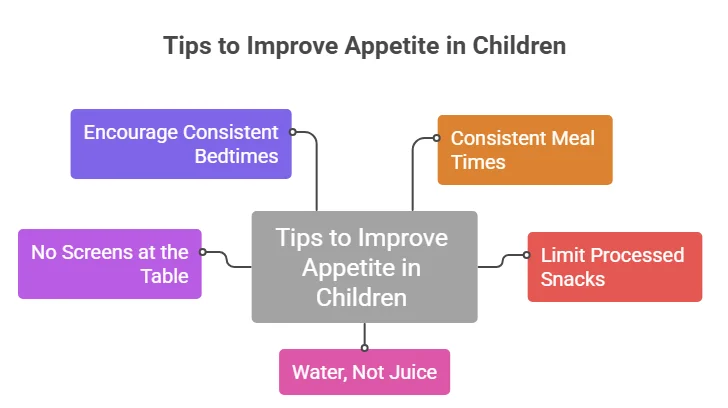
- Consistent meal times – Not flexible, not “whenever they’re hungry.” The body’s hunger hormones respond to routine regular meals and snack times. Consistent meal patterns train the hormones to fire at predictable intervals. Random snacking through the day blunts that signal.
- Limit processed snacks – High-sugar, high-fat snacks give a short energy hit and kill real hunger. Replacing them gradually with whole foods, fruits, lentils, rice, and vegetables helps reset appetite over time.
- Water, not juice – Filling the stomach with sweetened drinks before a meal suppresses appetite. Guide your child to drink water throughout the day; nothing sweet right before eating.
- No screens at the table – The American Academy of Pediatrics recommends screen-free mealtimes. Screen use during meals leads to distracted eating and poor awareness of how much has actually been consumed. Moreover, children who eat without a screen in front of them tend to eat better.
- Encourage earlier, consistent bedtimes – A child who doesn’t sleep enough has disrupted ghrelin hormone levels the next day. Kids aged 1-5 need 10-14 hours; school-age children need 9-11. Better sleep, better appetite.
⚠️ These are general habits that support healthy eating. They’re not a substitute for seeing a doctor if your child’s appetite loss has been going on for more than a week or comes with other symptoms.
These adjustments work. But for children with ongoing appetite concerns, they work best alongside professional guidance.
When Should Parents Seek Pediatric Treatment?
Home remedies to increase a child’s appetite can be useful for short term and mild loss of appetite in children but there are situations when a pediatrician alone can diagnose the real cause and provide loss of appetite treatment.
Appetite loss in children is often a symptom of undiagnosed infection, nutritional deficiency or problem related with growth & development.
Such problems need to be investigated and treated by a child specialist doctor and not with home remedies or diet changes. Delaying the treatment for such problems can lead to worsening of the condition.
Seek pediatric consultation in Gaya if your child experiences:
- Appetite loss lasting more than 5–7 days
- Recurring illness with no clear cause
- Poor weight gain over weeks or months
- Severe weakness or inability to perform normal activities
- Signs of dehydration that do not resolve with fluids
- Complete refusal to eat.
📌 Book an appointment for child healthcare services in Gaya at Dr. A Barkat Multispeciality Hospital.
Pediatric Treatment for Appetite & Nutrition Concerns in Gaya
Dr. Saba Ekta, consultant pediatrician at Dr. A Barkat Multispeciality Hospital, Gaya treats children suffering from loss of appetite and other nutritional problems affecting growth and health in children.
Parents of children with poor growth or a persistent illness like fever, cough or vomiting can approach Dr. Saba Ekta for pediatric treatment in Gaya.
Families seeking treatment for children appetite loss, child growth concerns, or recurring illness can access the following at the hospital:
- Nutritional assessment – assessing the child’s diet for deficiencies and evaluating growth patterns and development.
- Infection evaluation – Assess and diagnose any infection such as typhoid or any other illness that may be causing the child to lose his/her appetite through a blood test and by doing a clinical examination.
- Growth monitoring – Tracking the child’s height and weight on a growth chart against standard milestones to check for appropriate growth.
- Personalised pediatric guidance – Our pediatrician at Dr. A Barkat Multispeciality Hospital in Gaya creates individual child health plans for your child’s needs, age, condition and medical history.
Dr. Saba Ekta’s OPD timing for pediatric evaluation and management for appetite and nutrition related problems runs across morning, afternoon, and evening slots.
This makes it convenient for working families in Gaya to schedule a consultation. The hospital is located at Civil Lines, Behind Aziza Plaza, Enayat Colony, Gaya.
It is extremely important to medically evaluate infants and toddlers early for nutritional gaps which can develop very fast in them. Also, it is essential to keep the child up to date with all the vaccines.
Timely child vaccination and preventive care is important to prevent illnesses that might affect the child’s appetite and development.
Frequently Asked Questions
Following are some of the common questions parents have about appetite loss in their children. We’ve compiled these questions and tried to answer each with evidence-based answers. Go through the following to get your answers.
1. How to treat loss of appetite in toddlers?
Identify the cause first which is usually illness, teething, or routine disruption. Offering small amounts of regular food and drink, throughout the day can often sort a return of appetite within a week or so.
It is always best to get advice from a pediatrician if a child has no appetite for more than a week.
2. What is the best treatment for loss of appetite in babies?
A pediatrician will suggest the best treatment after physical examination and investigations for conditions like infections, nutritional deficiency or other digestive problems.
3. What to give a child with no appetite?
Offer small amounts of calorie-dense foods to eat that are also easily digested, e.g., homemade khichdi, banana, curd till the child starts eating normally again. Prioritize hydration during this phase.
4. Is loss of appetite common in children?
Yes, loss of appetite in children is a very common symptom and is temporary and self limiting lasting only a few days. If it continues beyond a week or comes with other symptoms, seek consultation with a pediatrician.
5. Can infections cause appetite loss in children?
Yes, fever, a viral illness, throat infection, typhoid or any other infection are the most common causes of loss of appetite in babies as well as older children.
6. When should I worry if my child is not eating?
Children who are not eating enough to support their growth and development should have medical attention if their loss of appetite persists for 5–7 days or more.
Children who have symptoms of weight loss, weakness, development of dehydration, or have persistent fever also need medical attention. Children with underlying medical conditions, taking medications that can cause loss of appetite also need medical evaluation.
7. Can poor appetite affect growth?
Yes, loss of appetite in a child can cause delayed growth & development, weakness, decrease in immunity, and poor concentration.
8. Which doctor should I consult for appetite loss in children?
Loss of appetite in children can be treated by a pediatrician. In Gaya, child weakness, nutrition problems, loss of appetite in children is treated by Dr. Saba Ekta at Dr. A Barkat Multispeciality Hospital.
Treat Loss of Appetite in Children with Expert Care in Gaya
Children’s loss of appetite can be a confusing experience for parents. Generally, it is a temporary thing and even goes away on its own, without any treatment.
However, a sudden lack of desire to eat in a 1-year-old baby, a loss of appetite in a 10-year-old child, or a stubborn refusal to eat that continues over time, if not taken seriously, can adversely impact the child’s immune system, growth, and overall development.
Nutrition is the main factor that supports healthy development of a child at every stage and pediatric intervention at an early stage is a key factor in changing outcomes.
Dr. Saba Ekta at Dr. A Barkat Multispeciality Hospital, Gaya, offers dependable and scientifically supported treatment for children who have concerns about appetite and nutrition. In any case, waiting for symptoms to get worse is not a wise decision.
📞 Call 922-901-2038 or Book an Appointment with Dr. Saba Ekta today.
Dr. A Barkat Multispeciality Hospital | Civil Lines, Behind Aziza Plaza, Enayat Colony, Gaya, Bihar 823001




Leave a Reply