
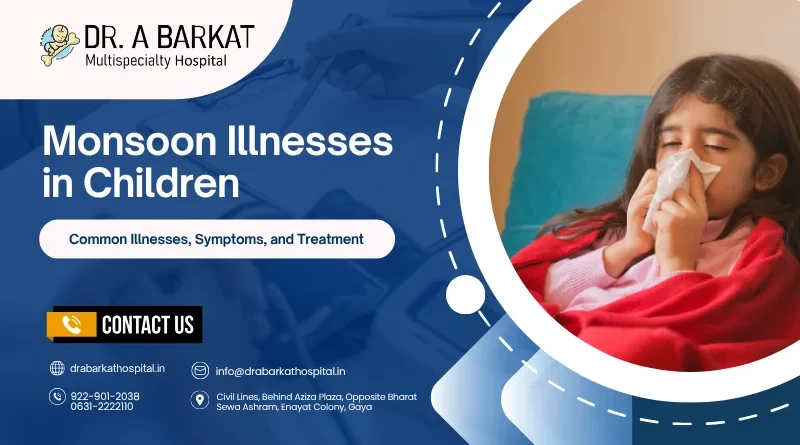
Rain brings relief from the hot summer weather, however it also comes with a variety of health problems especially for your kids. During monsoon seasons is when monsoon related illnesses increase among children.
If you don’t take precautions and seek medical help quickly enough, your child can become ill from preventable illnesses. The good news is that most monsoon illnesses in children can be avoided through easy precautions and getting early medical treatment.
Understanding what to look out for as well as knowing when to see a pediatrician will greatly assist you in protecting your child from becoming sick or injured this rainy season.
At Dr. A Barkat Multispecialty Hospital, the top child specialist doctor in Gaya, Dr. Saba Ekta, assists many families navigate monsoon health risks for their children every year. The key is being able to recognize symptoms early on and taking action before complications arise.
Common Monsoon Illnesses in Children
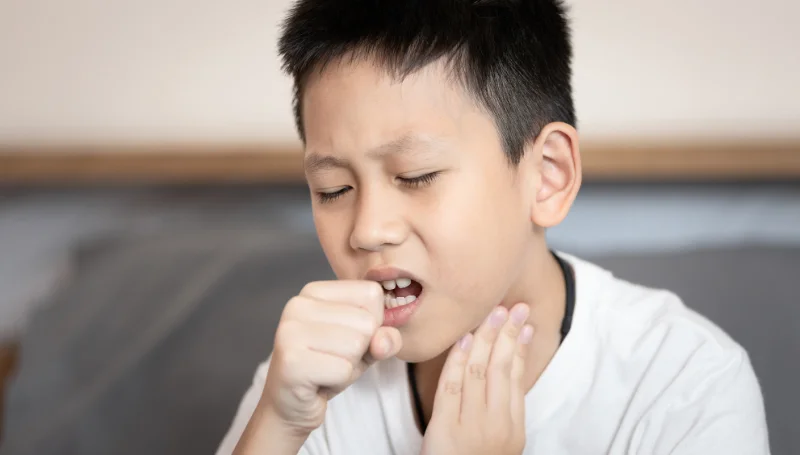
The monsoon season brings a predictable tide of illness. Since children’s immune systems are still forming, the school or park settings provide an ideal environment for germs and infections. Below we will list some of the most commonly seen illnesses by pediatricians.
1. Viral Fever
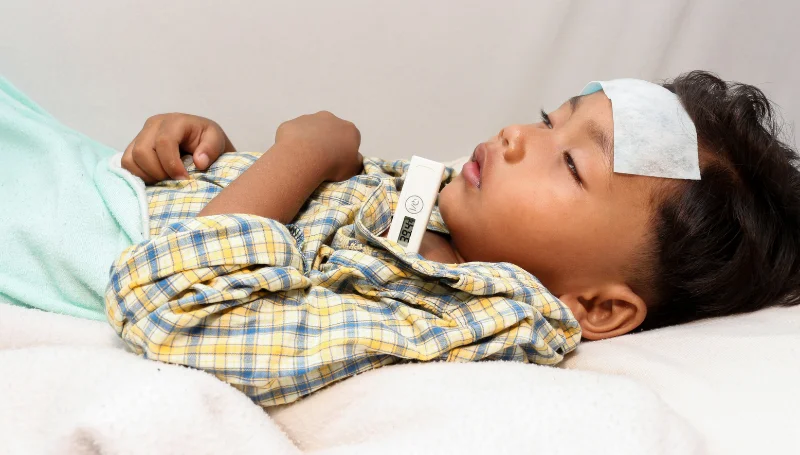
Viral fever (or as sometimes called viral infection) is probably the most common complaint about child fever during monsoon. The onset is usually rapid – one day they wake up with a fever. There isn’t always a clear indication of how or why your child contracted a virus.
Symptoms to watch for:
- Fever (often spiking in the evening)
- Body aches and muscle pain
- Fatigue and weakness
- Reduced appetite
Most cases of viral fevers will resolve spontaneously after 3-5 days by simply resting, giving the appropriate amount of fluids and managing the fever.
If a fever lasts longer than 3 days, or if the fever is greater than 103 degrees Fahrenheit, have a pediatrician see your child.
2. Diarrhea and Gastroenteritis
Child diarrhea during the monsoon occurs due to contamination from contaminated water and unclean food. The high levels of moisture during monsoons provide ideal conditions for bacteria and parasites to grow in all water sources and on foods that have not been washed.
Symptoms include:
- Loose, watery stools
- Vomiting
- Dehydration (the real danger here)
Prevention is straightforward:
- Serve only boiled or filtered water
- Practice rigorous hand hygiene before meals
- Wash fruits and vegetables thoroughly in clean water
Dehydration can be dangerous; continue to give ORS (oral rehydration salts) as long as your child continues to have diarrhea. See a doctor if diarrhea lasts longer than 2 days or if there is evidence of blood in stool.
3. Typhoid Fever
Monsoons are notorious for increasing cases of typhoid, an illness created from bacteria in contaminated food and drink.
While typhoid is less prevalent than the monsoon sickness called viral fever, if not treated promptly, it can be fatal. The primary way young children get typhoid is when they consume contaminated food made using unclean water.
Main symptoms of Typhoid:
- gradually rising high fevers lasting more than 1 week
- body weakness
- abdomen discomfort
- Rash (may occur)
The diagnosis of typhoid fever may be confirmed through blood testing.
If you believe your child has contracted typhoid and require advice on treating typhoid in children who are located in Gaya, contact Dr. Saba Ekta at Dr. A Barkat Multispecialty hospital as soon as possible.

4. Dengue
Dengue fever has spread throughout much of the world and is now found in all continents including north america. Dengue is transmitted via mosquito bites which thrive in standing water – something that is certain to appear during the monsoon season.
As a result, this disease can rapidly progress. Thus, recognizing early signs of dengue fever is critical for protecting the health of your child. Your child can contract dengue from a single mosquito bite.
Signs of dengue include:
- high fever (typically > 104° f)
- severe headache and pain behind the eyes
- Rash typically occurs 3-4 days after onset of fever
- joint/muscle pain (also known as “breakbone fever”)
Urgent warning signs that require immediate emergency department visit:
- persistent vomiting
- bleeding from gums/nose
- severe abdominal pain
- lethargic/rapidly dropping platelets (can be confirmed via blood test)
If your child shows these red flags, head to the emergency department immediately. Dengue can become life-threatening if hemorrhagic complications develop.
5. Malaria
Mosquitos are responsible for spreading several illnesses. One of these illnesses is Malaria which increases during monsoon season.
Female Anopheles mosquitoes will lay their eggs in stagnant water and then transmit the parasite to humans when they bite them. The parasite will usually cause the child to have recurring fevers.
Some symptoms associated with Malaria include:
- Recurring Chills followed by high fevers
- Heavy sweating
- Extreme fatigue and body aches
Mosquito prevention is essential: Using a Mosquito net and dressing your child in full sleeved shirts while eliminating any standing water around your house can help prevent the spread of this disease.
>> Book Consultation Today for Diagnostic Checks for Malaria
6. Respiratory Infections
In addition to many other types of illness that occur as a result of rainy weather, there are many respiratory infections that can affect young children.
Since it is cooler and damper during monsoon seasons, it may be easier for respiratory issues such as common colds, viral coughs, and sore throat to develop. In general, most cases of these illnesses are minor but some can last longer.
Examples of respiratory related rainy season diseases in children include:
- Runny nose associated with a common cold
- Dry cough or a cough that produces mucus
- Sore throat
If your child has asthma, monsoon can trigger flare-ups even outside winter. Watch for wheezing, shortness of breath, or chest tightness. Discuss your child’s asthma getting worse patterns with your pediatrician so that you’re prepared.
Why Are Children More Prone to Illnesses During the Monsoon?
There is no mystery here; there are several valid explanations for this.
- Bacteria and viruses grow rapidly when it’s humid outside (because of temperature).
- Mosquito breeding goes through the roof due to standing water – mosquitoes lay eggs everywhere.
- Groundwater supplies become contaminated from overflowing sewers.
- Children are at school, and/or playing at the park – therefore, they can easily catch diseases that spread.
- Schools do not close and parks continue to be crowded – your child will have a higher risk of catching a sickness.
Understanding these factors helps you take targeted action rather than just hoping for the best.
How to Protect Children During the Monsoon?
Protecting your child starts with simple, consistent habits. You don’t need expensive treatments or complicated routines; just everyday practices that genuinely work.
Hygiene Practices
✓ Wash hands regularly, especially before eating and after playing
✓ Drink only boiled or filtered water (this is non-negotiable)
✓ Wash fruits and vegetables thoroughly under running water
✓ Keep fingernails short to reduce dirt accumulation
Mosquito Prevention
✓ Use mosquito nets while sleeping
✓ Dress your child in full-sleeved clothing during dawn and dusk
✓ Remove stagnant water from around your home immediately
✓ Apply child-safe insect repellent if necessary
Nutrition Matters
✓ Serve fresh, home-cooked meals over street food
✓ Ensure adequate hydration throughout the day
✓ Include seasonal fruits like papayas and citrus for vitamin C
Vaccination Protection
Vaccines are your child’s best defense against serious illnesses
Routine vaccinations are your child’s first line of protection. Be sure your child has had all the necessary shots for typhoid fever, dengue (when available) as well as other seasonal illnesses.
The child vaccination centre at our hospital will be able to provide you with information regarding your child’s current vaccination schedule.
Signs That Require Immediate Pediatrician Attention
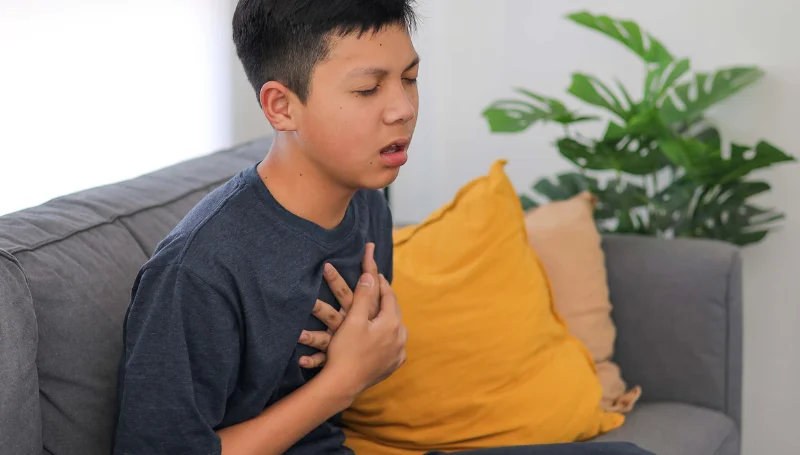
Understanding when to seek emergency care for your child is important.
Every fever and tummy ache does not need an ER doctor. However, there are times when your child will need to go to the hospital right away.
Understanding when to take action – when to “watch and wait” and when to “call the ambulance,” could possibly save your child’s life.
Note that the following symptoms require an immediate pediatrician evaluation:
✓ Fever lasting more than 3 days
✓ Difficulty breathing or shortness of breath
✓ Persistent vomiting preventing fluid intake
✓ Severe diarrhea (more than 8 episodes daily)
✓ Blood in stools
✓ Signs of dehydration (dry mouth, reduced urination, lethargy)
✓ Seizures or convulsions
✓ Child becoming unusually drowsy or difficult to wake
✓ Any fever in a child under 3 months old
✓ Poor feeding or refusing to drink
✓ Reduced urine output
✓ Symptoms not improving after 3–4 days
✓ Suspected dengue or typhoid symptoms
✓ Existing medical conditions like asthma worsening
Do not second guess yourself. If something feels wrong, it probably is.
>> Visit Dr. A Barkat Multispecialty Hospital immediately or call at 922-901-2038 to learn more about when your child needs urgent care. Regular pediatric follow-ups during monsoon ensure overall health and development stay on track.
Diagnosis and Treatment
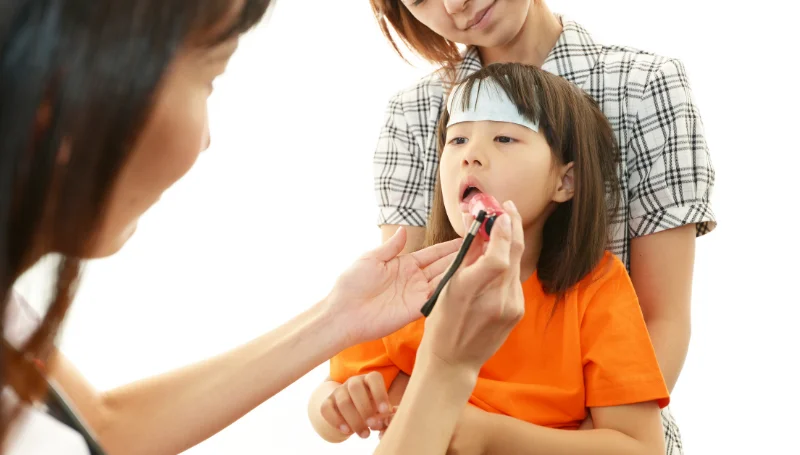
Pediatricians will use a variety of diagnostic methods to make an accurate diagnosis of the illness, rather than guessing.
At every visit, your pediatrician will conduct a complete physical examination and ask you many questions about the signs/symptoms, how long they have lasted and what your child has been exposed to recently.
Diagnostic tools used by Pediatricians for making an accurate diagnosis are:
- Clinical evaluation of your child including physical examination and symptom assessment
- Laboratory studies which may include blood tests to help diagnose viral/bacterial infections and assess platelet count
- Urinalysis to determine the presence of a Urinary Tract Infection
- Stool analysis for parasitic infections
- Lab test for Dengue fever and Malaria when symptoms indicate one of these two diseases
The main focus for treatment of your child’s illness is to help them recover from their illness and the measures may include:
- Fluid replacement through Oral Rehydration Solution (ORS) or Intravenous (IV) fluid replacement as needed due to dehydration
- Use of fever reducing medication appropriate for your child’s age
- Provide nutritional supplementation to promote healing and increase energy
- Only prescribe antibiotics when there is evidence that a bacterial infection is present
- Admit your child to the hospital for close observation and treatment (only when necessary and in severe cases).
A pediatrician avoids unnecessary antibiotics because overuse creates resistance. The goal is targeted, effective treatment that gets your child back to normal.
>> Book Best Pediatric Services in Gaya
Frequently Asked Questions
Following are some of the most common questions parents ask regarding the issue of monsoon borne illnesses amng children and how to get rid of it.
1. What diseases are common during monsoon?
Viral fever, diarrhea, typhoid, dengue, malaria, and respiratory infections top the list.
2. How to cure monsoon fever?
Rest, hydration, fever management, and medical evaluation if it persists beyond 3 days.
3. What are the viral infections in monsoons?
Common cold, viral fever, viral cough, sore throat, and dengue are the primary viral monsoon illnesses.
4. What are the diseases of monsoons in children?
Viral fever, gastroenteritis, typhoid, dengue, malaria, and respiratory infections are the most common common monsoon diseases in children.
5. What are the 7 most common water-borne diseases?
Typhoid, cholera, hepatitis A, dysentery, giardiasis, cryptosporidiosis, and rotavirus infection.
6. How can I protect my child from dengue during the rainy season?
Use mosquito nets, wear full sleeves, remove stagnant water, and apply insect repellent.
7. When should I worry about fever during the monsoon?
If fever lasts more than 3 days, exceeds 104°F repeatedly, or is accompanied by warning signs, seek immediate care.
8. Can monsoon weather worsen asthma in children?
Yes, humidity and temperature changes trigger asthma flare-ups in susceptible children.
9. How can dehydration be prevented during diarrhea?
Offer ORS solution, broths, and water frequently—don’t wait for thirst to signal need.
10. What foods should children avoid during the monsoon?
Avoid street food, uncooked vegetables, unpasteurized dairy, and anything stored in damp conditions.
11. When should I consult a pediatrician for monsoon illnesses?
At the first sign of persistent fever, difficulty breathing, severe vomiting, or any symptom lasting more than 2 days.
12. How can vaccinations help protect children?
Vaccinations build immunity, preventing or reducing severity of diseases like typhoid and dengue.
Consult Pediatrician to Prevent Complications of Monsoon Illnesses
Here’s the bottom line: there are many ways to avoid getting sick during monsoons. While there are no guarantees for being completely free from seasonal sicknesses, you do have power to protect your children from illnesses.
Hygiene, vaccines, mosquito prevention, and safe eating habits are all tools that will help you fight off monsoon sicknesses.
Early diagnosis and prompt medical attention greatly reduces potential problems that may arise if you allow illness to progress without receiving proper treatment.
If your child has common symptoms of monsoon infections in children such as: persistent fever, dehydration, difficulty breathing, don’t think these issues will resolve themselves.
The moment your child starts showing persistent symptoms, contact the pediatrician to determine what is causing your child’s symptoms.
They can begin immediate treatment. Contact Dr. Saba Ekta at Dr. A Barkat Multispecialty Hospital now. As a practicing pediatrician for over a decade, she is well aware of the challenges that monsoons pose and can provide you with expert advice to protect your child.
Schedule an appointment at the Dr. A Barkat Multispecialty Hospitals’ Pediatric clinic by calling at 922-901-2038.
The emergency pediatric department at Dr. A Barkat Multispecialty Hospital is available 24 hours a day, 7 days a week, making it convenient to make an appointment at any time (day or night). So, schedule your appointment with Dr. Saba Ekta now. Your child’s health is too important to leave to chance.



Leave a Reply