
Does your child sneeze every morning, scratch at a rash that keeps coming back, or react after eating a certain food? Many parents in Gaya face this uncertainty, especially when symptoms come and go without an obvious reason.
Allergies are one possible explanation, but not the only one. This is where allergy testing for children in Gaya can help, when a doctor recommends it to investigate suspected triggers.
Though testing is not for every sniffle or rash; it is most effective when guided by a careful examination of your child’s symptoms and history.
In this blog, we will discuss when a child may require testing, the different types of tests available, how the process works and how you can prepare your child.
What Is Allergy Testing in Children?
Allergy testing is used to determine if a child’s immune system has become “sensitised” to certain substances (i.e., dust mites, pollen or certain foods) or materials that come into contact with the child’s skin.
Finding a potential allergen can assist families in making informed choices regarding avoiding and treating the allergen.
However, a test result is only part of the equation. A test result should always be interpreted along with your child’s symptoms, exposure history, and medical history.
If your child has repeated symptoms, we recommend consulting a child specialist doctor in Gaya to determine if testing is necessary. Sometimes a detailed history is sufficient, and other times another condition is found to be the cause.
NOTE: Testing vs. Treatment: What’s the Difference?
Testing and treatment aren’t the same thing. Testing is about getting answers: it helps the doctor work out what might be setting off your child’s symptoms.
Treatment comes after, and it’s shaped by what the tests show and by what your child’s days actually look like. That might mean steering clear of certain triggers, medicines to keep symptoms under control, and a plan for what to do if a reaction happens.
Once you have results in hand, a pediatrician can explain how child allergy treatment in Gaya works and what to expect from it.
When Does a Child Need Allergy Testing?
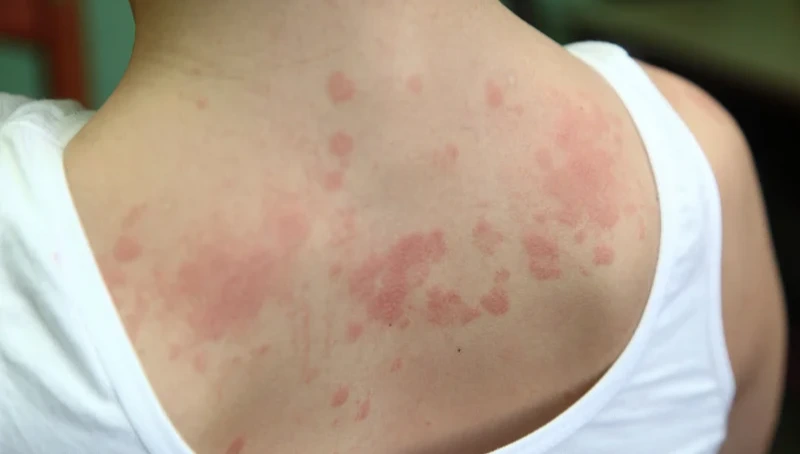
Typically, a child’s symptoms, exposure to an item and repeated reactions over time will lead a doctor to suspect an allergy and recommend testing. However, not every symptom requires testing.
However, most symptoms including sneezing, runny nose that occurs once in a while are usually caused by something entirely different.
The situations mentioned below are the ones where a doctor may recommend testing.
1. Repeated Sneezing, Nasal Congestion, or Itchy Eyes
Sneezing, runny or blocked nose and itchy, watery eyes can be symptoms of an environmental allergy, for example dust mite, pollen or pet allergies.
As allergy and asthma are often linked, it is always best to get symptoms of repeated respiratory symptoms checked out by a doctor.
2. Recurrent Hives, Itching, or Suspected Allergic Skin Reactions
Hives, itching, swelling, or rashes that keep returning may prompt an allergy evaluation, especially when they seem linked to a particular substance such as a soap, fabric, or food.
That said, many skin conditions, including eczema and heat rashes, are not caused by allergies. Whether testing helps depends on the suspected trigger and your doctor’s clinical assessment.
3. Suspected Food-Related Allergic Reactions
The foods that caused severe reactions in the past may need to be tested for an allergy with a medical evaluation.
Do not take it upon yourself to cut out multiple foods from your child’s diet, nor test for suspected food allergies by trying to reintroduce them at home. These tests should be conducted under healthcare professional supervision.
4. Wheezing or Breathing Symptoms That May Be Allergy-Related
Children with asthma often have symptoms of allergies as well. However, an allergy test is not enough to establish a diagnosis of asthma. Symptoms of breathing problems must be assessed separately by a doctor.
It is generally understood that cold air, respiratory infections and indoor allergies can aggravate asthmatic symptoms. This explains why is a child’s asthma worse in winter and prompts a doctor’s review of persistent breathing symptoms.
If your child’s symptoms become severe or worsen quickly, seek immediate medical attention at Dr. A Barkat Multispeciality Hospital. This may include severe shortness of breath, swelling of the throat or tongue, or other serious symptoms.
>> Contact Dr. A Barkat Multispeciality Hospital for urgent medical attention for your child.

Types of Allergy Tests Used for Children
There isn’t a single test for allergies that will suit every child and allergy. The choice of test will depend upon the suspected allergen, the child’s symptoms and clinical assessment by the doctor.
Skin Prick Test
For this test a very small amount of the suspected allergen is placed on the skin and the area is left for a short time and then assessed for a reaction.
The results must be interpreted clinically in relation to the child’s symptoms and the doctor’s clinical assessment.
Specific IgE Blood Test
A blood sample can show whether your child is sensitised to specific allergens. Having a positive result for an allergy test does not necessarily mean that your child will have an allergy to that substance.
Patch Testing
Patch testing is typically performed to determine if there is a delayed allergic contact dermatitis. It is not routinely used to diagnose food allergies.
Supervised Food Challenge
If deemed necessary by the clinician, an oral food challenge may be conducted to confirm a suspected food allergy.
This challenge must be performed under the supervision of a medical professional and should never be attempted at home.
Your child does not need every test. Testing for allergies should only occur when there is a clear clinical reason to do so. Conducting tests without a clear clinical reason can result in inaccurate results and cause unnecessary concern.
If your child experiences recurrent allergic symptoms, learn more about child allergy treatment in Gaya to learn how a clinician can evaluate symptoms, identify potential triggers, and develop an appropriate treatment plan.
How Is Allergy Testing Performed in Gaya?
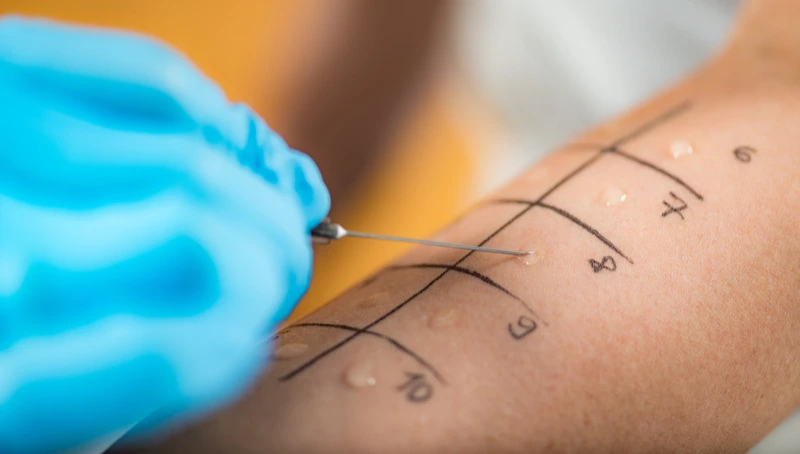
While the specific steps will vary based upon your child’s symptoms and the test recommended, the overall process as follows:
1. Symptom and Medical History Review
The doctor will ask you questions regarding your child’s symptoms; when they began; what you believe caused them; if your child has had any previous reactions; what medications your child is currently taking; and any relevant family or medical history.
2. Test Selection
Based upon the suspected allergy and clinical findings, the doctor will select a single test as opposed to recommending all available tests.
3. Pre-Test Preparation
Pre-Test Preparation will vary based upon the test selected. Please follow your clinician’s instructions regarding pre-test preparation as some medications can interfere with the accuracy of skin test results.
4. Performing the Test and Monitoring the Child
Skin tests and blood tests can be carried out to test for allergies. A skin test involves applying individual allergens to the skin to observe for a reaction.
On the other hand a blood test involves taking a small sample of blood from the vein and in some instances, the test may require observation by the testing clinician or indeed the child’s testing to be undertaken under medical supervision.
5. Explaining the Results and Next Steps
These results can then be used in conjunction with your child’s symptoms and treatment history to establish if further investigation is required or if appropriate management can be provided.
If you are in Gaya looking for allergy testing for your child, we can suggest you to start your search from a good multispeciality hospital in Gaya that can also have pediatric specialists for your child’s testing and other treatment requirements.
How Should Parents Prepare Their Child for an Allergy Test?
A little preparation makes the visit smoother:
- List the child’s symptoms, known allergens and past reactions.
- Carry relevant medical records and medicine details.
- Explain to your child what will happen in simple language.
- Ask the doctor how you should prepare for the test and if any of your child’s current medicines could interfere with the test.
Please do not stop taking any prescribed medicines unless your doctor asks you to. Some types of antihistamines may affect the results of some of the allergy tests.
Is Allergy Testing Safe for Children?

While many tests are generally okay for most people, there can be temporary reactions such as itching or swelling with skin prick testing, or a little pain with blood tests for example.
While rare, any test can cause unusual or serious reactions, especially if a test is misselected or performed incorrectly. This is why all testing should be done under appropriate medical supervision.
What Happens After the Allergy Test?
The doctor will discuss the results of your child’s test with you. Based on the results of the test and your child’s symptoms, the doctor can identify the possible causes of your child’s symptoms and suggest further action if required.
A positive result does not always confirm a clinical allergy, while a negative result may not explain every symptom. The doctor will decide on further evaluation and ways to deal with symptoms as well as to reduce exposure to the allergens identified.
>> Book a Consultation With our Pediatric Team Today!
FAQs
1. At what age can a child undergo allergy testing?
This can vary depending on the suspected allergy, symptoms, and clinical situation and your child’s age.
2. Is allergy testing painful for children?
Some children may get mild itching from a skin prick test and some children may get a slight discomfort from a blood test. However, most children can manage them with calm reassurance.
3. When should a child get allergy testing?
Once symptoms are recurring, hard to explain, or genuinely affecting daily life.
4. How long does an allergy test take?
The time will vary depending upon the type of test. Some skin tests can be read within a few minutes, whereas some blood tests can take days to return results.
5. Can allergy testing identify food allergies?
Specific skin tests and specific IgE blood tests can help to clarify food allergies. A supervised food challenge is usually the best way to test for a food allergy.
Take the First Step Towards Understanding Your Child’s Allergies
Allergy testing can diagnose the causes of constant sneezing, itching or skin rashes, or symptoms that occur after eating certain foods in children.
However, the best test for any individual would depend upon their total clinical picture including symptoms, history, and doctor’s clinical assessment.
Avoid eliminating food from children’s diet by self diagnosing without medical evaluation. Reach for an early evaluation of symptoms to manage them properly.
If you’re concerned about your child’s allergies, contact Dr. A Barkat Multispeciality Hospital in Gaya to enquire about pediatric consultation and available allergy evaluation services.


Leave a Reply