
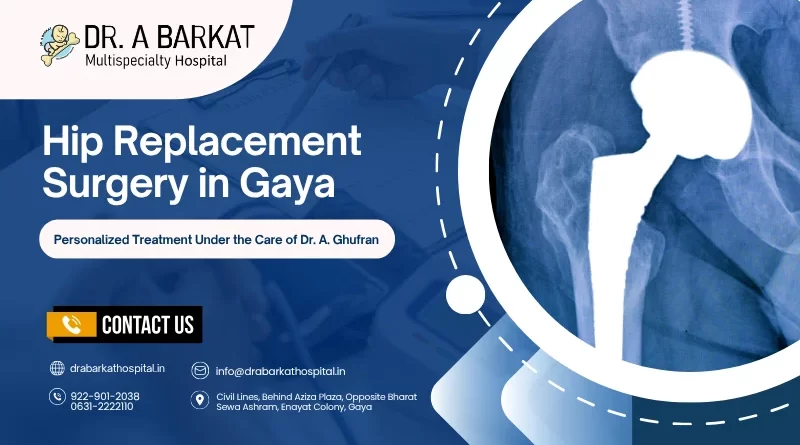
The possibility of hip pain slowly derailing your life exists – from making walking a chore, turning every step up a flight of stairs into a burden to difficulty sleeping.
Pain associated with hip issues typically starts gradually, and continues to worsen over time (months) before it begins to interfere with daily life activities.
If anti-inflammatory medications and/or physical therapy have failed to alleviate your hip-related symptoms, a hip replacement procedure may be an option for you.
Individuals who are suffering from chronic or prolonged hip pain should seek out an orthopedic specialist in Gaya to obtain a diagnosis as to the nature of their condition and evaluate possible treatment options.
Delaying treatment can have its own adverse effects. Below is an explanation of how contemporary hip replacement procedures operate, what patients can anticipate during this type of procedure, and the importance of early evaluation by an orthopedic specialist.
Hip Replacement Surgery in Gaya
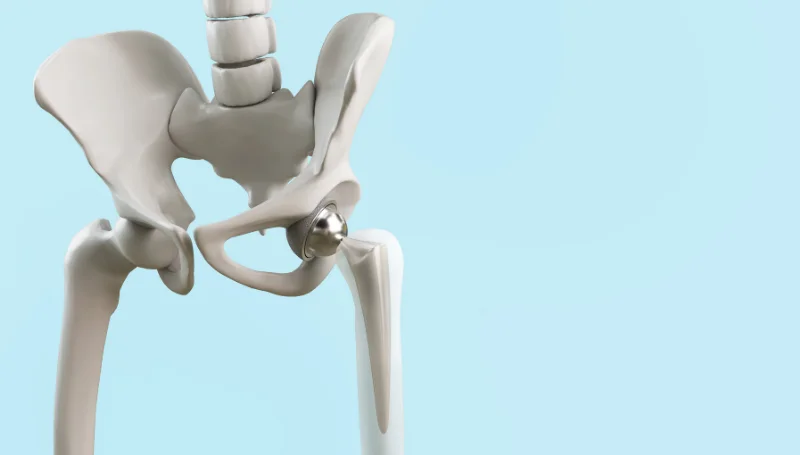
Our patient-focused approach at Dr. A. Barkat Multispecialty Hospital provides comprehensive care through our state-of-the-art hip joint replacement services in Gaya. The combination of extensive clinical knowledge and cutting-edge surgical technology utilized by our orthopedic specialists enables us to achieve long-lasting results.
We begin each patient’s journey through a thorough evaluation which might include imaging studies such as X-ray(s), MRI, to assess the extent of damage caused to the affected area, and determine whether surgery is warranted.
If surgery is in the plan, it is performed with all the necessary precautions. Dr. A. Ghufran and our surgical team will meticulously remove all damaged bone/cartilage tissue, followed by placement of a custom-made prosthetic designed specifically to restore proper functioning of the affected hip joint.
Following the procedure, structured rehabilitation consisting of physical therapy and monitored exercise will assist the patient in regaining both strength and range of motion.
At Dr. A Barkat Multispeciality Hospital, all patients receive a customized post-surgical recovery program tailored to include consideration of the patient’s age, medical history, and specific goals for the procedure. We have witnessed numerous individuals successfully returning to activities they believed had been lost forever.
The top orthopedic surgeon in Gaya, Dr. A. Ghufran, understands that a successful hip replacement operation is truly about restoring the quality of one’s life, rather than merely replacing a single joint.
Modern Techniques Used for Hip Replacement Surgery at Dr. A Barkat Multispeciality Hospital
Minimally invasive surgical techniques are performed using smaller incisions. Smaller incisions cause less damage to surrounding tissues.
Therefore, there is also less bleeding associated with these smaller incisions. There is an overall reduction in recovery time due to the smaller incisions. Often, patients are able to go home in 1-2 days as opposed to remaining in the hospital for several days.
- The recovery process from minimally invasive surgeries involves advanced pain management strategies, which enable the patient to begin walking shortly after the surgery has been completed.
- The goal is to minimize stiffness associated with prolonged periods of immobility and improve long-term results.
Implant longevity has improved significantly in recent years.
Modern implants made of newer materials provide better durability, allowing them to function effectively for longer periods of time typically 15-20 years and providing fewer risks for revision surgery in the future.
Book Your Appointment with Dr. A. Ghufran | Dr. A Barkat Multispeciality Hospital – Civil Lines, Behind Aziza Plaza, Enayat Colony, Gaya.

How Is Hip Replacement Surgery Performed?
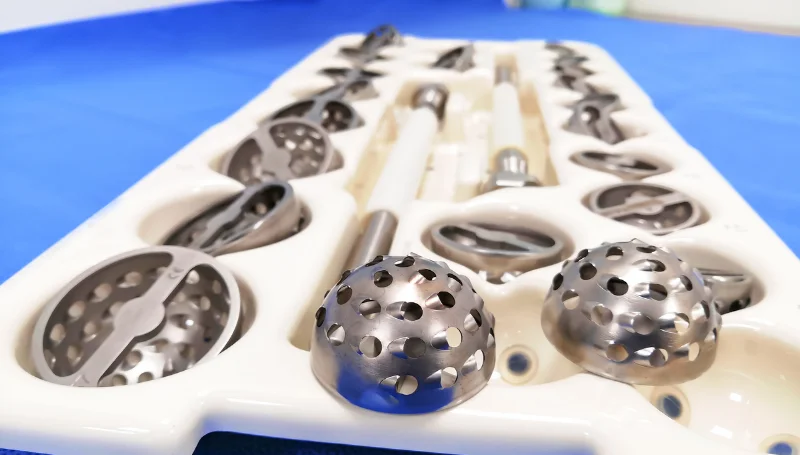
Hip replacement surgery consists of five distinct steps:
- The Anesthesia used during this process can be either general (the patient sleeps) or regional (numbing agents applied to the lower half of the body), so that the patient feels no pain during the surgery.
- The surgeon next carefully makes an incision into the skin so that they can gain access to the hip joint.
- The surgeon then proceeds to remove all of the damaged bone and cartilage from the ball-and-socket portion of the hip joint. Every attempt is made by the surgeon to preserve as much of the healthy bone as possible. This preservation provides stability and durability to the newly implanted components.
- After removal of the damaged portions of the bone and cartilage, the new implant components are placed into position. These prosthetic components include a metal ball and socket. They replace the original ball-and-socket component of the joint.
Following placement of the new components, the surgeon assesses whether the prosthetics have been properly aligned, if the joint is stable and if the range of motion is acceptable.
When satisfied that all of the criteria have been met, the incision site is closed using dissolvable sutures. Typically, the entire surgery process lasts anywhere from 60-90 minutes.
Common Conditions That May Require Hip Replacement Surgery
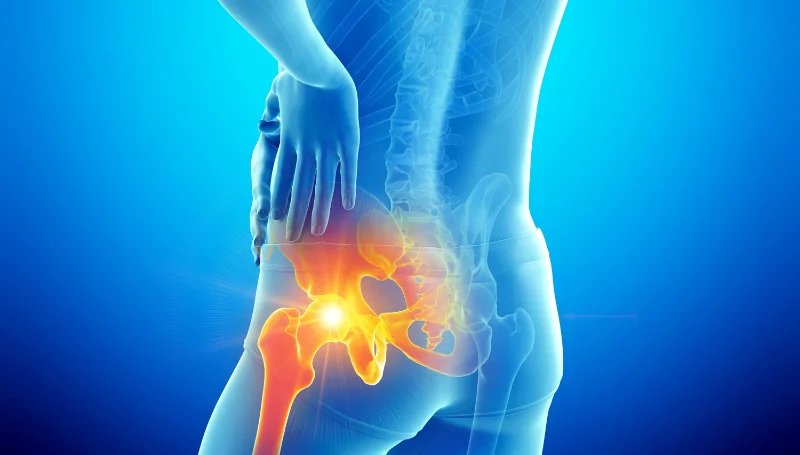
There are several reasons that can lead to hip replacement surgery. Understanding how these various factors contribute to damage occurring to the hip helps explain why hip replacement surgery is sometimes considered.
1. Fractured Hips
Sudden falls or blunt impacts to the hip area can result in fractures to the femur and pelvis, especially in elderly populations whose bones may already be weakened by osteoporosis.
Depending upon severity of injury, surgical intervention may be required immediately to avoid potential complications such as Avascular Necrosis or long term disabilities.
We provide comprehensive fracture treatment in Gaya at Dr. A Barkat Multispeciality Hospital, and early consultation can help clarify your options.
2. Osteoarthritis
Osteoarthritis is currently the leading reason for hip replacement surgery. It occurs when protective cartilage covering bone surfaces begins to deteriorate, eventually wearing away completely.
As cartilage deteriorates and bone-to-bone contact increases, the discomfort experienced by individuals usually increases with each successive episode of physical exertion.
Eventually, as osteoarthritis progresses further, it may become difficult for individuals to perform simple daily activities without experiencing considerable amounts of pain. Initially, many people are treated for hip arthritis treatment in Gaya through medication, injection therapy, and/or physiotherapy.
However, when these treatments fail to produce satisfactory relief from symptoms, hip replacement surgery often represents their best available option.
3. Rheumatoid Arthritis
Rheumatoid arthritis is another type of arthritic condition that can affect the joints. The condition is caused by the body’s immune response attacking normal tissues found in joints.
The rapid deterioration of cartilage within affected joints leads to significant amounts of chronic pain and limited mobility. Even at rest, rheumatoid arthritis sufferers commonly experience constant debilitating levels of pain.
4. Avascular Necrosis
Blood supply to parts of the hip bone may be interrupted by traumatic injuries, excessive consumption of alcoholic beverages, or taking certain types of medication.
Bone death (necrosis) ensues once blood supply is interrupted. Collapse of bone will ultimately occur followed by degenerative changes within the joint resulting in increasing pain and decreased ability to move.
NOTE: Patients with a hip fracture or needing emergency and trauma care services should seek immediate medical attention.
Who May Need Hip Replacement Surgery?
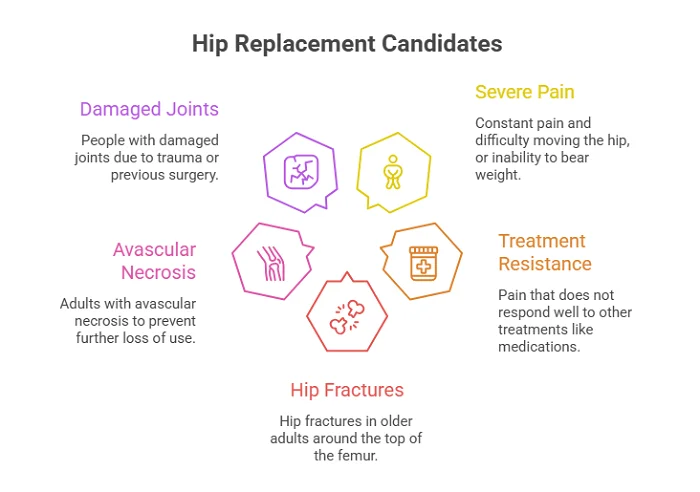
People experiencing chronic hip pain and/or stiffness that limits their ability to perform activities they previously did, including simple daily routines, may want to consider undergoing hip replacement surgery in Gaya.
These individuals should also consult with the ortho doctor about whether they would benefit from such a procedure since the potential benefits will vary from person-to-person.
With that said, here are some people who should talk to an orthopedic specialist about the possibility of a surgery to fix their symptoms:
- People who have severe (constant) pain and/or difficulty moving their hip(s) or those who cannot bear weight.
- Those whose pain does not respond well to other treatments (such as medications).
- Hip fractures in older adults around the top of the femur (ball part of the hip).
- Adults with avascular necrosis (bone death due to poor circulation) to prevent further loss of use in the affected limb.
- People with damaged joints due to trauma or previous surgical procedures.
Notice if you experience many of these symptoms together:
- Difficulty walking – you limp even on short walks or can’t walk more than a few blocks without stopping. Pain shoots through your hip with each step.
- Trouble climbing stairs – you hold the rail tightly, move one step at a time, or avoid stairs. Stepping down is often harder than stepping up.
- Night pain – you wake from pain, struggle to turn over, or can’t find a comfortable position. This constant discomfort exhausts you.
- Reduced mobility – daily tasks feel harder. You avoid activities you once enjoyed because movement hurts.
If you have two or more of these signs, it’s best to consult the doctor as soon as possible before symptoms escalate.
👉 Consult Dr. A. Ghufran – Book Your Appointment Today!
Benefits of Hip Replacement Surgery
The vast majority of people undergoing hip replacement experience significant improvements in both their quality of life and level of comfort. Many people report little to no pain within a few weeks after surgery, allowing them to enjoy their favourite activities again.
In addition to the reduction in pain, most people notice improvements in their overall mobility and balance as well. They begin to walk without limping, and stairs, which were previously difficult to climb, now present less of a challenge. Many patients begin to participate in activities again that had been avoided due to pain.
Sleep patterns are also improved, providing patients with more energy throughout the day for work and school, thus enhancing their quality of life.
Most importantly, hip replacement provides patients with the opportunity to live their lives as they see fit, free from debilitating pain.
Patients gradually resume their normal routines (e.g. Cooking, gardening, shopping) as their pain diminishes. Activities that had become unmanageable become routine for patients again.
Long-Term Success Rates
Hips replaced using modern technology generally last 15-20 years or longer. Thus, many patients do not require additional corrective surgeries.
Studies indicate that greater than 90 per cent of all patients receiving a new hip implant achieve long-term success (functionally and symptomatic relief) at ten years post-surgery.
Recovery After Hip Replacement Surgery

The period after undergoing hip replacement surgery follows well established phases. Understanding where you are within each phase will be beneficial as you continue through your rehabilitation program.
Week One
You should be using a walker or crutches for assistance and the physical therapist will begin teaching you how to safely perform movements and some basic exercises.
The primary goal is to walk short distances indoors. During this time, pain is being controlled through medications and the nursing staff will continually check for any potential complications.
Month One
Most individuals will be able to stop using their walker and switch to a cane. You may still require assistance climbing stairs but your range of motion would improve by this time.
A doctor-led rehabilitation program including physiotherapy is essential in regaining strength, balance, and mobility to your body post-surgery.
Explore – Physiotherapy services in Gaya to find out how post-surgery physical rehabilitation can help restore function.
3–6 Months
At this point, most people are walking independently and feel comfortable going up and down stairs. They also have resumed participating in lighter forms of exercise (i.e., golfing) and may resume driving again.
Although there is still some residual discomfort associated with walking or standing for extended periods of time due to soft tissue healing, most individuals report a significant increase in overall functional ability and self-confidence.
Why Early Evaluation Matters?
While many patients delay obtaining medical attention for an extended period of time hoping that the pain will subside on its own, delaying treatment typically results in preventable complications.
- Joints deteriorate over time due to prolonged inactivity, and cartilage deterioration accelerates and becomes irreparable; as such, the bone beneath the damaged area can develop cysts or weaken.
- When pain prevents a patient from moving regularly, muscles surrounding the hip degenerate which makes recovering from surgery much more difficult and time consuming. These patients will require more intense physiotherapy to build back what they have lost.
- Delayed recovery is very common among those who delay surgery for several years. At this stage, these patients tend to have weaker bones, lower levels of fitness, and significantly increased amounts of scar tissue. As a result, their recovery process is longer and requires more physical therapy than expected.
Important Note: If you are experiencing symptoms that resemble lower back pain, do not immediately assume it is related to your back. Several patients mistakenly equate hip pain and lower back pain as the same condition since both conditions can produce radiating pain into the legs. A back pain doctor in Gaya can determine whether the issue lies at your hip.
Obtaining early consultation from an orthopedic surgeon allows you to explore all possible options available to you prior to the damage becoming permanent.
Take the First Step Towards Pain Relief
Persistent pain in the hip will not go away by itself. In addition, it is often not right to wait it out and allow the damage to worsen beyond easy recovery. An early assessment may prevent a loss of function and enable you to continue living the active lifestyle that you desire.
You can book an orthopedic consultation with Dr. A. Ghufran at Dr. A. Barkat Multispecialty Hospital if hip pain has limited your day-to-day activities or is keeping you awake at night.
A complete assessment typically lasts under one hour, and provides you with the information you need to make decisions about your options.
The decision as to whether you are a candidate for total hip replacement surgery in Gaya will depend upon your specific needs – but you will not know until you ask.
Do not put off treatment for hip pain in Gaya. Our orthopedic team is here to assist you in regaining your mobility.
Book Your Appointment with Dr. A. Ghufran – Orthopedic Surgeon in Gaya 📞 Call: 922-901-2038 to Schedule Consultation.








Leave a Reply