
Pregnant? You’re going to hear the word “ultrasound” a lot over the next several months. A pregnancy ultrasound is how your doctor actually checks on you and your baby, tracking growth, checking development, catching things early if something needs a closer look.
Which scan you get, and when, comes down to how far along you are and what your doctor wants to keep an eye on.
If you’re looking for reliable pregnancy ultrasound in Gaya, you can access complete pregnancy monitoring and maternity care at the top hospital in Gaya, Dr. A. Barkat Multispeciality Hospital. Our OBGYN department handles the full range of pregnancy monitoring and maternity care.
This blog explains what the different scans actually check, roughly when they happen, and what a visit looks like.
What Is a Pregnancy Ultrasound?
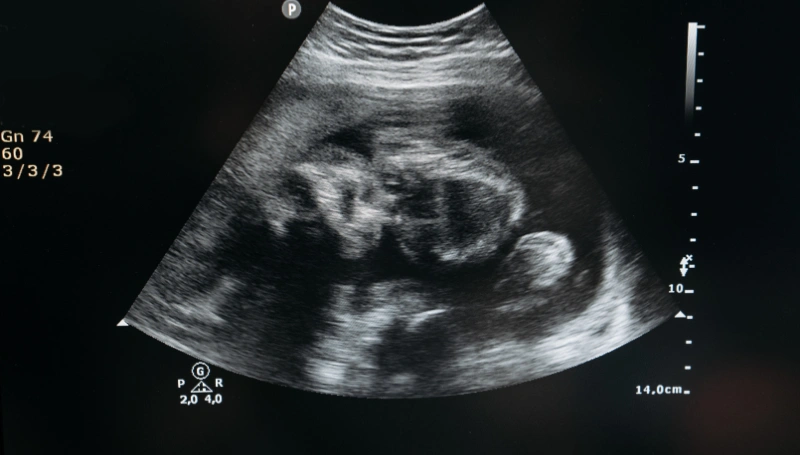
It’s simpler than it sounds. A prenatal ultrasound (some call it an antenatal ultrasound) uses sound waves, not radiation, to create a live image of your baby.
A probe on your belly or sometimes internally, in the very early weeks, sends out waves that bounce back to form a picture your doctor can read. From a fetal ultrasound, your doctor can check the baby’s size, heartbeat, position, movement, and how the placenta and fluid around the baby look.
There’s a real difference between a routine pregnancy scan done at your regular checkup stage and one ordered because something specific like bleeding, pain, needs checking out.
Either way, don’t try to read too much into the images yourself. Let your doctor connect the dots; that’s the part that actually matters.
Good, now that the basics are out of the way, where should you actually go to get checkups and an ultrasound while pregnant.
Pregnancy Ultrasound in Gaya: Choosing the Right Care
Picking a facility for your pregnancy scan in Gaya isn’t just about the machine, it’s about the whole system around it.. What actually makes a difference is whether the facility also offers antenatal consultations, has qualified obstetric and gynecology specialists on staff, and can run any basic follow-up diagnostics without sending you elsewhere.
And honestly, the most underrated part: can you sit down with a doctor afterward and get a straight answer about your report, instead of a printout and a “see you next time”?
If something does turn up that needs more attention, you want a hospital that can act on it right away.
Dr. A. Barkat Multispeciality Hospital brings antenatal care, ultrasound, and gynecology care together in one place, which is part of why it’s one of the best maternity hospitals in Gaya for women who want their care to stay connected instead of scattered across different clinics.
>> Book Appointment to talk through your pregnancy monitoring plan.

Why Is Ultrasound Important During Pregnancy?
Ultrasound isn’t a one-time check. It earns its place for several distinct purposes, each relevant at a different point in your pregnancy.
Monitoring Fetal Growth
Your doctor measures the baby’s head, abdomen, and limbs and compares that against expected ranges for fetal growth monitoring. Steady growth is generally a good sign; anything off-pattern gets a second look.
Checking Fetal Development
A fetal development scan, timed right, gives your doctor a sense of how the baby’s organs and structures are coming along.
Checking Fetal Position
Closer to delivery, ultrasound shows whether the baby is head-down or positioned another way – this feeds directly into delivery planning.
Assessing the Placenta and Amniotic Fluid
Doctors keep an eye on the placenta ultrasound view and amniotic fluid levels because both affect how well your baby is being nourished and protected.
Identifying Possible Concerns
Ultrasound can flag things that need a closer look; it won’t catch everything, and a clean scan doesn’t mean a guaranteed smooth pregnancy. Think of it as one part of ongoing pregnancy monitoring, not a final verdict.
Each of these purposes lines up with a different scan at a different time. Here’s how that actually breaks down.
Types of Pregnancy Ultrasound Scans
Different scans, different purposes – your doctor picks the ones that actually apply to your pregnancy.
| Scan | Usually performed | What it may assess |
| Early pregnancy ultrasound | First trimester | Pregnancy location, viability and dating |
| Dating scan | Early pregnancy | Gestational age and estimated due date |
| NT scan | Commonly performed around 11–14 weeks | Nuchal translucency and early fetal assessment |
| Anomaly scan | Commonly performed around 18–22 weeks | Fetal anatomy and development |
| Growth scan | Later pregnancy | Fetal growth and wellbeing |
| Doppler ultrasound | When your doctor advises it | Blood flow in specific vessels |
Don’t treat these as fixed rules carved in stone. Your doctor may move a scan earlier or later depending on your pregnancy and how things are progressing. For a fuller picture of what each trimester actually involves, the healthy pregnancy tips guide goes beyond just scans.
Knowing what each scan does is one thing. Knowing when you need one is the part your doctor actually decides.
When Should You Have an Ultrasound During Pregnancy?

- First Trimester: Early on, scans usually confirm the pregnancy’s location, check viability, establish dating, and look at NT findings if your doctor recommends it.
- Second Trimester: This is typically when the detailed anomaly scan happens – a closer, more thorough look at fetal anatomy.
- Third Trimester: Later scans generally check growth, fetal position, placenta health, amniotic fluid, and doppler assessment when there’s a medical reason to.
Here’s the thing worth repeating: not every pregnant woman needs the same scans on the same schedule. Your doctor factors in your gestational age, pregnancy history, symptoms, general health, how the baby’s growing, and what earlier scans showed.
Two women at the same week can get completely different advice, and that’s not a mistake, that’s just how individualized this is.
Ultrasound is only half the monitoring picture, too. Most pregnancies also involve lab work; the pregnancy blood tests done alongside your scans catch things imaging alone can’t.
How to Prepare for a Pregnancy Ultrasound?
Nothing complicated here, but a few things help.
Follow whatever instructions the hospital gives for your specific appointment. Some early scans need a full bladder, later ones usually don’t.
Wear something comfortable that you can adjust easily. Bring along any past reports or prescriptions, and if you know the date of your last period, bring that too.
Not sure what your scan needs? Just call ahead and ask. Preparation for a pregnancy ultrasound test isn’t the same every time, so don’t assume last visit’s routine applies this time.
Is Pregnancy Ultrasound Safe?
Short answer: yes, in the way it’s normally used. Diagnostic ultrasound runs on sound waves, not radiation, and it’s been part of pregnancy care for decades at this point.
That said, “safe” comes with a condition that it should be done when there’s a medical reason for it, by someone properly trained, and that it’s not repeated over and over just because you’re curious what the baby looks like this week.
Stick to what your doctor recommends. For broader antenatal support beyond just imaging, gynecology care at the hospital covers the rest of it.
What Can You Expect During a Pregnancy Ultrasound?
The process is pretty predictable, even if small details shift depending on the scan.
You check in, have a quick consultation, do any prep if needed, then go through the actual scan through which images and measurements get recorded.
After that, the scan results are reviewed to put together a report. Then, and this is the part that actually matters, your doctor sits down with you in a consultation and explains what it all means. Numbers on a page don’t tell you much on their own.
How long it takes depends on the type of scan and why it’s being done. If you’ve got questions about your specific suggested scan, our OBGYN specialist Dr. Sania Akhtar can walk you through it during your consultation.
When Should You Contact an OBGYN During Pregnancy?
A few symptoms shouldn’t wait for your next scheduled visit: vaginal bleeding, severe abdominal pain, fluid leakage, a noticeable drop in fetal movement later in pregnancy, or a bad headache with visual changes.
That’s not a complete list, and your doctor may flag other things specific to you based on your history or scan results. If something feels wrong, don’t wait it out but get it checked right away.
FAQs
1. When is the first ultrasound done during pregnancy?
Usually in early pregnancy, to confirm the pregnancy and establish dating, though your doctor may time it differently based on your situation.
2. How many ultrasounds are needed during pregnancy?
Depends on you as it varies. Most pregnancies involve a handful of key scans across trimesters, but the exact number is your doctor’s call.
3. Is ultrasound safe during pregnancy?
Yes, it uses sound waves, not radiation, and has been standard in pregnancy care for years, but scans should only happen when medically advised.
4. What is the anomaly scan in pregnancy?
It’s commonly done around 18–22 weeks and takes a detailed look at fetal anatomy and development.
5. Do I need to prepare before a pregnancy ultrasound?
Sometimes, some early scans need a full bladder. Always check with the hospital before your appointment.
6. Where can I get a pregnancy ultrasound in Gaya?
Dr. A. Barkat Multispeciality Hospital offers complete antenatal care in Gaya, under expert gynecology supervision. Book Appointment to schedule your diagnosis and tests.
Seek Timely Care for Pregnancy Monitoring
Ultrasound isn’t a single test, there can be different scans, each serving a different purpose at a different stage, and no two pregnancies follow exactly the same schedule.
What actually matters is having a doctor interpret every result alongside your full health picture, not just the image on the screen.
Got questions about your pregnancy, or want help planning ahead? Reach out to our gynecology and obstetrics team for pregnancy care in Gaya, Bihar. Consult Dr. Sania Akhtar today to get started.
Call – 922-901-2038
Visit – Civil Lines, Behind Aziza Plaza, Opposite Bharat Sewa Ashram, Enayat Colony, Gaya




Leave a Reply