
Knee pain ranks among the most common mobility complaints doctors see. The moment an X-ray shows wear and tear, people often assume surgery is next — but can physical therapy prevent knee replacement altogether in some cases?
Often, yes. Dr. A. Ghufran, orthopedic specialist at Dr. A Barkat Multispeciality Hospital, sees many patients whose pain and weakness improve enough through physiotherapy that surgery gets pushed back by months or years.
Structured physiotherapy treatment in Gaya is often the first real step, and a more comfortable form of knee pain treatment in Gaya than jumping straight to surgery. Still, once joint damage is severe, exercise can’t restore what’s gone, and surgery earns its place.
Can Physical Therapy Delay Knee Replacement?
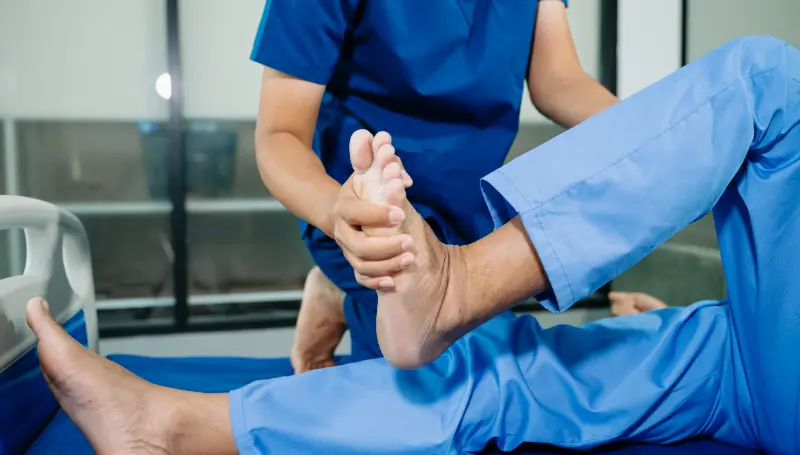
Yes, in most situations. While physical therapy alone will never repair cartilage or fix two bones rubbing against each other (bone-on-bone) in a damaged joint, physical therapy may be able to improve symptoms associated with knee pain such as; provide relief from pain, improve mobility, strengthen the muscles that surround the knee and therefore take some stress off of the knee itself.
This has the potential to delay when you’ll have to undergo knee replacement surgery for sometimes even years, possibly even decades if your arthritis remains mild.
Not to mention, in cases where patients do need surgery, therapy can also help you recover better after knee replacement surgery.
However, no amount of therapy will replace knee replacement surgery in certain cases. The decision regarding when to begin your physical therapy program and how consistent you stay are going to determine your success and outcomes largely.
Because osteoarthritis does not wait for you to catch up on all of your exercises, timing is much more important than people realize. Your first step toward finding out what is best for your specific situation should include obtaining a true assessment of the current state of your knee.
Why Do People Need Knee Replacement?
There are several reasons why many people need knee replacement. Osteoarthritis is by far the largest cause. The World Health Organization (WHO) reports that approximately 365 million people in the world have knee osteoarthritis; thus, it is the most common joint involved.
With time and/or age, the cartilage will wear out causing the bones to rub together.
Besides osteoarthritis, rheumatoid arthritis (an autoimmune condition), can severely affect the cartilage surrounding the joints. This may occur much quicker than with arthritis. Damage to the cartilage due to repeated injuries/old fracture(s) may lead individuals to consider surgery.
Birth defects that involve severe joint deformity or years of uneven stress on the knee can result in a loss of structural integrity of the joint such that additional support is needed for walking without pain. These cases may also need surgical intervention for relief.
While none of these conditions guarantee surgical intervention alone, they do provide significant factors that help determine whether or not someone needs a total knee replacement.
Severity of the condition, age, activity level and your response to non-surgical treatments will also determine whether you will need surgery or not.
>> Book Appointment with Dr. A. Ghufran to find out if you need surgery or a physiotherapy program.

How Physical Therapy Helps Protect Your Knee Joint?
During treatment, physiotherapy for knee pain does more than simply treat the painful areas. It takes into consideration strength, mobility, pain, and balance. In most cases, weakness in one of the areas has an impact on other areas as well.
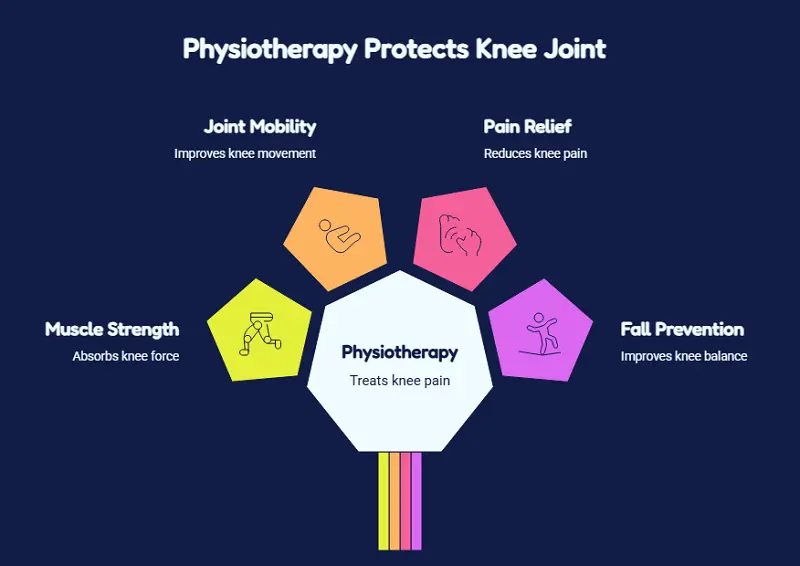
1. Increases Muscle Strength
Strong quads and hams absorb much of the force that would otherwise be felt by the knee joint. Additionally, strong hip muscles help support proper tracking of the knee throughout each stride.
Strengthening exercises are typically a starting point for any rehabilitation program, as increased strength leads to reduced force acting upon damaged cartilage.
2. Increases Joint Mobility
Stiffness in the knee will increase the difficulty associated with even the simplest tasks (e.g., standing up after sitting).
Stretching and mobilization techniques may take several weeks or weeks before noticeable improvements occur in terms of range of motion.
Improved range of motion will lead to improved ambulation characteristics and decreased guarding as well as fewer compensatory movements that stress additional joints.
3. Decreases Pain Through Movement Therapy And Manual Therapy
Through movement therapy, manual therapy and graded exercise, individuals may experience decreased pain without the need for pharmaceuticals.
Can physiotherapy reduce knee pain on its own? Yes, for many individuals experiencing mild to moderate arthritis, this is true. But if you’re wondering can physiotherapy cure knee pain outright, the answer is mixed.
Physiotherapy can help in symptom management for early-stage arthritic conditions, but it will not reverse the damage that has occurred due to degeneration.
However, through consistent use of a structured program, some individuals can manage symptoms and prevent knee surgery naturally when knee issues are in early stages.
4. Decreases Fall Risk By Improving Balance
The benefits of improving balance far exceed the decrease in fall risk. Increased confidence when moving will also allow individuals to perform daily activities with greater freedom and less compensatory movements to avoid pain.
Each of these pieces reinforces the others, which is why a scattered, one-off exercise routine rarely delivers the same results as a structured program.
Who Is Most Likely to Benefit From Physical Therapy?
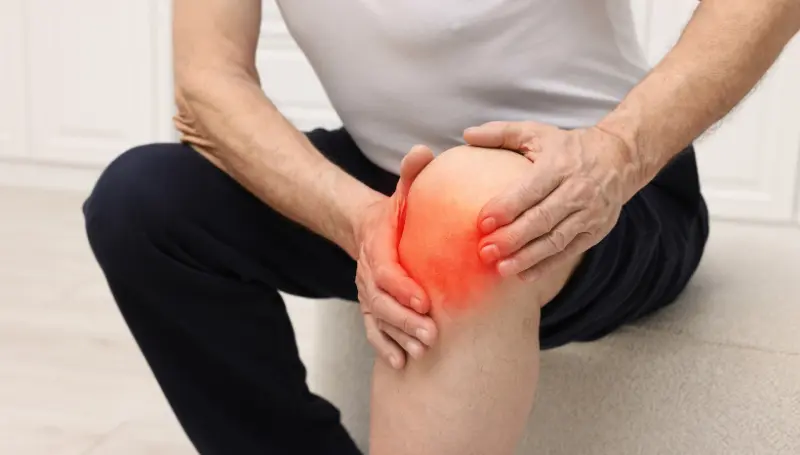
Everyone will respond differently to physical therapy (PT) and it’s worth noting this at the beginning. Typically people who have less severe damage, and still have a significant amount of muscle reserve are going to experience greater benefit than individuals whose knees have undergone more advanced structural degeneration.
Individuals with more advanced degenerative changes in their knees may find some relief from PT, but they probably will not be able to delay surgical intervention as long as they would like.
If you fall into one or more of the categories below, you might make an excellent candidate for a PT evaluation prior to making decisions on other forms of treatment:
✓ Osteoarthritis that is mild or moderate
✓ Arthritis that is early stage
✓ Cartilage wear that is early stage
✓ Prior knee injuries
✓ Muscle weakness surrounding your knee joint
✓ Knee pain due to post-trauma
If several of these apply to you, a physiotherapy assessment is worth booking before considering anything more invasive.
When Physical Therapy May Not Be Enough
Physiotherapy has limits, and pretending otherwise does patients a disservice. Some knees have simply passed the point where exercise alone can help, usually when there’s severe bone-on-bone arthritis with no cartilage cushioning left, advanced joint deformity, or pain that stays severe no matter what you try.
Significant, ongoing loss of mobility despite consistent therapy is another sign. If you’ve committed to a structured program and it hasn’t moved the needle, that failed conservative treatment tells your doctor surgery is the more realistic path.
At that stage, knee replacement in Gaya becomes less about giving up and more about choosing what actually restores function, and if you do need a new procedure for knee replacement surgery, going in physically stronger helps recovery.
Techniques have moved on too: the latest knee replacement procedure options include computer-assisted placement and quicker-recovery implants, so ask your surgeon which counts as the best knee replacement procedure for your knee.
Knowing this line early spares you months without progress. It also shapes what your program should include next.
What Does a Physiotherapy Program Usually Include?
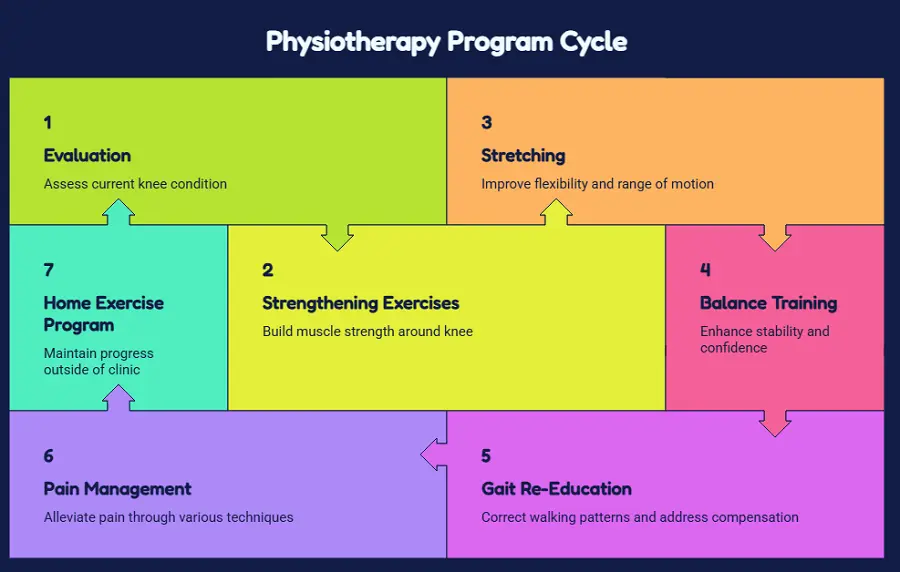
Physiotherapists generally create customized knee rehabilitation programs for each patient. However, there are commonalities in many of the general stages of development as outlined below:
1. Evaluation (Assessment): A physiotherapist will test an individual’s current levels of strength, range of motion, gait pattern, and pain sensitivity prior to developing their individualized treatment plan.
2. Strengthening Exercises: Strengthening the muscles around the knee including quadriceps, hamstrings, and hip muscles may help reduce load on the joint.
3. Stretching: Reducing stiffness in the knee and increasing its functional range by improving both the degree of extension (straightening) and flexion (bending).
4. Balance Training: Improves balance to reduce falls and builds confidence when moving through activities of daily living.
5. Gait Re-Education/Training: Changes in gait due to chronic pain and discomfort during activity can be addressed through gait training. This will also address secondary issues associated with compensatory mechanisms adopted while avoiding pain.
6. Pain Management Techniques: These may include manual therapy, massage, ice, heat, or electrical stimulation. They are typically combined with some form of exercise.
7. Home Exercise Program: Most physiotherapists provide a series of exercises for patients to continue performing outside of clinic hours.
In fact, it is the consistency with the home program that determines successful outcomes rather than the number of times a patient attends physiotherapy sessions.
Lifestyle Changes That Can Help Delay Knee Replacement
The first step to making therapy work is to stop sabotaging it by having a bad habit. Changing some small habits can add up over time.
- Managing your weight: With every additional kilogram of weight, there are kgs added to each footstep going down through your knee.
- Low-impact activities: These will allow for movement in your joints without the jarring shock from the impact of higher activity levels.
- Walking: This allows for building endurance and strength while also placing less overload on the knee.
- Swimming: Allows you to perform exercise while supported by the water reducing the amount of weight bearing required.
- Cycling: The quadriceps muscles build strength while minimizing impact to the joints.
- Limiting extended periods of sitting: Sitting too long can cause stiffness in your joints and limit flexibility.
- Wearing supportive footwear: Wearing proper shoes helps distribute pressure evenly throughout your foot, thus reducing uneven forces being transferred through the knee.
While none of these habits reverse existing damage, together they slow how fast things progress.
Warning Signs You Should Not Ignore
Don’t wait these out. If you notice any of the following, get evaluated sooner rather than later:
- Persistent swelling that doesn’t settle
- Knee locking or catching mid-movement
- Difficulty walking even short distances
- A feeling that your knee is giving way
- Pain that disturbs your sleep
- Inability to climb stairs normally
These aren’t symptoms to push through on your own. They usually mean the joint needs a proper medical look before things get worse.
>> Visit Dr. A Barkat Multispecialty Hospital Now
When Should You See an Orthopedic Specialist?
If you have mild knee discomfort (ache) for a couple of days, there is no need to panic. But when you experience persistent knee discomfort for a number of weeks, limited ability to walk or perform simple functions such as dressing due to discomfort or loss of function, then action needs to be taken.
- If you’ve completed a structured course of physiotherapy but still suffer from debilitating symptoms, delaying seeking specialized consultation is unlikely to result in improved outcomes.
- If your conservative treatments do not alleviate your knee symptoms, contact the specialists at the best hospital in Gaya to ensure you receive timely medical and rehabilitation/surgical care.
Dr. A. Ghufran evaluates patients who are at this decision-making point, determining whether additional physical therapy would make sense or whether it is now time to begin planning for surgery.
Book appointment if you are uncertain whether surgery is needed for your case or physical therapy would suffice. In case physiotherapy is all you need, we also have expert physiotherapists at the hospital who will design a structured program for you.
Can Physical Therapy and Surgery Work Together?
Surgery and physical therapy do not compete with each other. Pre-surgical therapy will improve your strength and mobility, making recovery after surgery easier.
Post-surgical rehabilitation is where function is restored – the implant provides a functioning joint, however, therapy allows you to learn how to use this new joint properly.
In cases where knee pain is due to trauma (as opposed to chronic/progressive degenerative conditions) such as accidents/injuries, early evaluation at a trauma centre facility in Gaya may be helpful in preventing complications and guiding further treatment/rehabilitation protocols.
Many athletes who have suffered injuries recover better using sports injury treatment in Gaya that also includes a proper rehabilitation plan.
Frequently Asked Questions
All of the questions listed above typically arise in one form or another, between conservative care and surgical options. Below are some quick responses to the ones that patients typically ask first.
1. Does physical therapy help before knee replacement?
Yes, physical therapy before knee replacement builds strength that speeds up recovery.
2. What can I do to delay a knee replacement?
Combine physiotherapy exercises for knee pain with weight management and low-impact activity.
3. Can knee replacement be avoided with exercise?
In mild-to-moderate cases, often yes; in advanced joint damage, usually not.
4. How long can physiotherapy delay knee replacement?
Anywhere from a few months to several years, depending on severity.
5. What exercises prevent knee replacement surgery?
Quad strengthening, hip stability work, and low-impact cardio are the core of how to avoid having a knee replacement.
6. What is the newest alternative to knee replacement?
Partial (unicompartmental) replacement and regenerative therapies are being explored as a new therapy for knee pain.
7. Does physiotherapy work for severe knee arthritis?
It eases pain and function but typically can’t prevent surgery once arthritis is severe.
8. Which exercises help knee osteoarthritis?
Straight leg raises, wall sits, and gentle cycling support knee osteoarthritis treatment.
9. How many physiotherapy sessions are needed for knee pain?
Most programs run 6 to 12 sessions, adjusted based on progress.
10. When should I consider knee replacement surgery?
When pain and mobility loss persist despite genuine knee arthritis treatment.
11. Is walking good for knee arthritis?
Yes, in moderation. It strengthens supporting muscles without high impact.
12. Can physiotherapy help after knee replacement?
Yes, it’s essential for regaining strength, motion, and confidence.
Talk to a Specialist Before You Assume Surgery Is Next
Persistent knee pain typically can be treated by physical therapy as the first step as opposed to being a temporary measure until one has to have surgery.
The reality is that many people are able to put off surgical intervention for several years simply based on rehabilitation, diet (weight loss), and regular exercise.
However, when there is significant degeneration of a joint, then the only treatment available to restore true functional ability is surgery.
In fact, recovery from modern surgical techniques may also take less time than they did in the past. All you require is a real diagnosis of your problem rather than just a “shot-in-the-dark” guess.
So, if you are experiencing knee pain that has not been relieved by other conservative means or treatment, schedule a consultation with Dr. A. Ghufran to develop a plan for your specific needs and the actual condition affecting your knee.
>> Schedule an appointment – early assessment will provide you more treatment alternatives rather than limiting them.







Leave a Reply