

When a doctor tells you that you have gestational diabetes it can be scary. You probably want to know if it will affect you and your baby.
Gestational diabetes happens when your body doesn’t create enough insulin or can’t use insulin properly. Your blood sugar will be higher than it should be during your pregnancy.
You can have a normal pregnancy and give birth to a healthy baby if you take care of yourself. But there is a difference between your blood sugar being under control during your pregnancy and your diabetes going away after your baby is born. That’s why people get confused.
In this blog, we will look at whether or not gestational diabetes can actually be reversed during the pregnancy, how you can manage the condition safely and more importantly, how your blood sugars will be affected after your delivery.
Is Gestational Diabetes Reversible While Pregnant?
So while you are pregnant gestational diabetes is not reversible in the sense that most people hope for. However blood glucose levels can be brought under good control with appropriate management of the diabetes while still pregnant.
If you are looking for the best gynecologist in Gaya to guide you, then search for a gynecologist who tracks your health and accordingly takes care of you throughout your pregnancy.
Because of pregnancy hormones, in late pregnancy even women with excellent control of blood sugar with diet alone often need to add insulin or oral medications to control their sugar. So the main goal of managing gestational diabetes is to keep the woman’s blood sugar under control and decrease her risk of complications from pregnancy.
Why Does Gestational Diabetes Happen During Pregnancy?
The pancreas produces the insulin required to enter glucose from the blood into the cells for energy.
In pregnant women, the placenta produces a number of very important hormones for the baby’s growth and development. Many of these hormones act on cells to make them less sensitive to insulin and so the person’s pancreas needs to make more of this hormone to manage blood sugar levels.
If the pancreas cannot make enough extra insulin to compensate for the normal increase in sugar in pregnancy then the blood glucose can rise to cause gestational diabetes.
In Gaya, when you are receiving your pregnancy care, your gynecologist will also take into account any pre-existing health problems you have, and your medical history. As with many diseases, there are a number of risk factors for gestational diabetes.
These include previous gestational diabetes, being overweight, having a family history of diabetes, and a number of other factors which are related to the pregnancy itself.
Pregnancy with PCOS often requires doctors to manage many reproductive and metabolic aspects at once. That is why, women with PCOS should seek PCOS treatment in Gaya in order to help with her reproductive health needs.
How Is Gestational Diabetes Managed During Pregnancy?

The management of gestational diabetes can be individually tailored to include a number of key elements which can be modified as pregnancy progresses. A management plan for individual women with gestational diabetes includes 4 key elements.
1. Eat healthy and plan meals
Healthy meals that have balanced portions of carbohydrates, as well as good sources of protein and fibre can help your blood sugar stay more consistent throughout the day.
You should still avoid sugary foods/drinks when you can, but it’s also not recommended that you cut out carbohydrates completely when you’re pregnant.
Your body and growing baby still need them for energy. Speak to your doctor or dietitian about what’s best for you as every woman’s needs are different.
2. Physical Activity
Regular physical activity can help make the body’s cells more sensitive to the actions of insulin, and so help control the level of glucose in the blood.
Wherever possible, women with pre-gestational diabetes should continue their regular exercise, and those with gestational diabetes start an appropriate exercise program as soon as possible.
If there are any limitations to activity due to the stage of pregnancy and overall health of the woman, these must be discussed with her treating doctor.
3. Blood Sugar Monitoring
Monitoring blood sugar levels on a regular basis will determine whether you are successfully controlling your blood sugar levels and whether any changes to your treatment are required.
Targets for blood sugar levels can vary from woman to woman so you should follow the targets set by your own doctor and not follow targets which you have read on the internet. Keeping a simple record of your results for your follow-up visits will be helpful.
4. Medication or insulin if necessary
If your blood sugar continues to be too high despite your diet and lifestyle measures, medication may be recommended. Don’t think of insulin as a personal failure.
Pregnancy itself makes your body resistant to insulin, which is why for some women, insulin or medication can become an important part of gestational diabetes treatment in Gaya to help keep their blood sugar within a healthy range for them and their baby.
What works for you early in pregnancy may need to change as your pregnancy progresses. That’s why regular check-ups and staying in touch with your doctor are an important part of keeping your blood sugar on track.
>>> Keep your pregnancy care on track. Book your next check-up today.

Can Blood Sugar Levels Return to Normal During Pregnancy?
Most women are able to control their blood glucose levels during pregnancy, although they are not cured of the temporary form of diabetes known as gestational diabetes that has developed.
To achieve controlled blood sugar levels using the following:
- Dietary adjustments
- Appropriate physical activity, when medically suitable
- Regular blood glucose monitoring
- Following the treatment plan your doctor recommends
- Drug or insulin as required.
Also, when blood sugars are within target ranges, do not believe that you have ‘cured’ gestational diabetes. It means that you are doing the right things to control your blood sugars.
For more healthy pregnancy tips during each stage of your pregnancy, healthy pregnancy tips from Dr. Sania Akhtar offers helpful support.
Can Gestational Diabetes Affect the Baby?
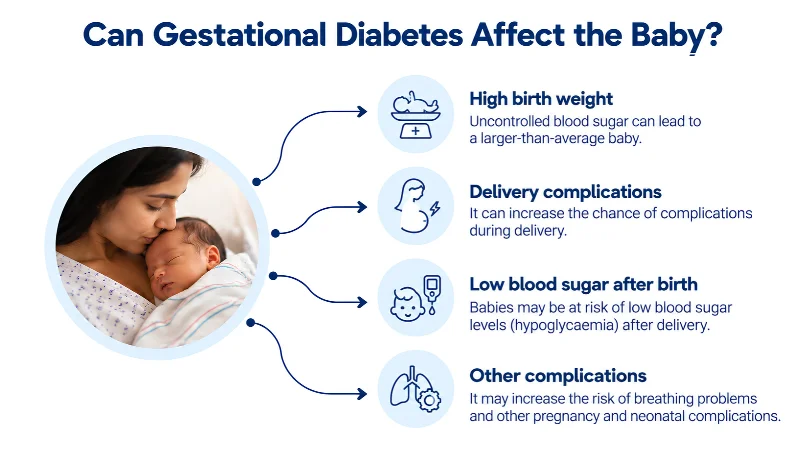
This is actually one of the most common concerns, and precisely why it’s important to control your blood sugar. Uncontrolled gestational diabetes can raise your baby’s risk of high birth weight, delivery complications, low blood sugar levels after birth, and some other pregnancy and neonatal complications.
This doesn’t necessarily happen to all babies. In fact, many women with gestational diabetes have healthy babies. But that’s especially true when blood sugar is controlled and pregnancy is monitored by a healthcare professional.
If you are planning your delivery in Gaya, understanding the differences between normal delivery and C-section in Gaya can help you plan ahead and have an informed conversation with your doctor about what might be best for you during your pregnancy.
Does Gestational Diabetes Go Away After Delivery?
In most cases, yes. Gestational diabetes typically resolves on its own after pregnancy ends. Remember how we said hormones contributed to insulin resistance? Well, once your baby is born, your body no longer produces those excess pregnancy hormones. With those decreased, your body can typically produce enough insulin to regulate your blood sugar again.
Gestational diabetes may come and go after delivery, but your blood sugar levels may not return to normal right away. That’s why it’s important to get tested after pregnancy. And that’s why women with a history of gestational diabetes are at higher risk for type 2 diabetes later on.
When Should You Speak to a Doctor About Gestational Diabetes?
Because your blood sugar can change throughout your pregnancy, it is advised to get tested regularly even if your blood sugar was not high in earlier tests. Consulting the best hospital in Gaya for appropriate pregnancy care can help you stay on top of these changes.
Contact a doctor if:
- Your sugar readings are consistently too high or too low.
- You are having difficulty adhering to your meal plan or treatment regimen.
- You have symptoms you don’t understand.
- You have questions about your medication or insulin.
- You’re unsure how often you should check your glucose.
With Dr. A Barkat Multispeciality Hospital’s comprehensive pregnancy monitoring, women can get custom medical recommendations based on how their pregnancy is progressing.
Reach out to our expert gynecologist Dr. Sania Akhtar who holds a MBBS degree and MS in Obstetrics & Gynecology. With her extensive knowledge she ensures that you’re taking the right steps to manage gestational diabetes while ensuring safety of you and your baby.
FAQs
1. Can I still have a healthy baby with gestational diabetes?
Yes, you can still have a healthy baby when you have gestational diabetes if you manage your blood sugar carefully
2. Can gestational diabetes disappear before delivery?
Gestational diabetes in general will disappear after delivery because of the decrease of the pregnancy hormones, but until that time your healthcare provider will recommend you to continue the treatment to control your blood sugar.
3. Can diet alone control gestational diabetes?
Some women can control gestational diabetes by diet alone, others require in addition to diet, medication or even insulin.
4. Is having had gestational diabetes a guarantee that I will get type 2 diabetes after my delivery?
Gestational diabetes in itself does not mean that you will develop diabetes after the birth of your baby. However, you are at increased risk of developing type 2 diabetes in the future.
5. Is insulin safe during pregnancy?
There is insulin available to use in pregnancy and it is often recommended to be used within the target blood sugar levels. Your doctor can advise on the appropriate dose and time to take.
Take the Next Step Towards a Healthier Pregnancy
Gestational diabetes often resolves after pregnancy but keeping it in check during pregnancy helps lead to healthier outcomes.
If you have high blood sugar or a diagnosis of gestational diabetes, maintain healthy glucose levels as recommended by your doctor with healthy food choices, regular exercise, monitoring your blood sugar levels and medication or insulin if necessary.
At Dr. A Barkat Multispeciality hospital, we offer you complete pregnancy care along with medical assistance as per your requirement. Meet our gynecologist today and get the required care and monitoring during your pregnancy.



Leave a Reply