
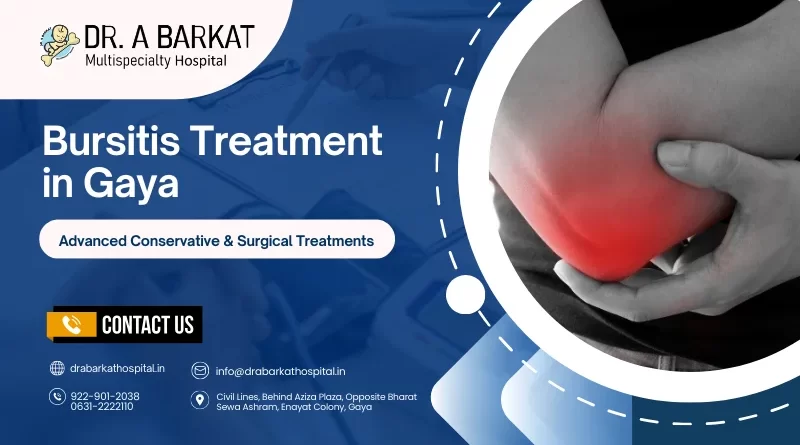
Anyone who has noticed their joint pain worsening with movement should be made aware about bursitis. Common places to get bursitis include the shoulder, hip, knee, elbow, and heel.
Bursitis is inflammation of the tiny fluid-filled sacs known as bursae which cushion the bones, tendons and muscles near a joint. With inflamed bursae, the most mundane tasks become very difficult: walking, climbing stairs, or carrying groceries can get tougher to do.
If orthopedic treatment is not provided on time, the condition can lead to chronic symptoms and complete loss of mobility for months.
Joint pain treatment in Gaya is a must in order to relieve the pain of the affected joint. In this blog, we will also be covering the various ways through which the treatment of bursitis can be done so that the pain can be reduced.
Bursitis Treatment in Gaya — Modern Options Available
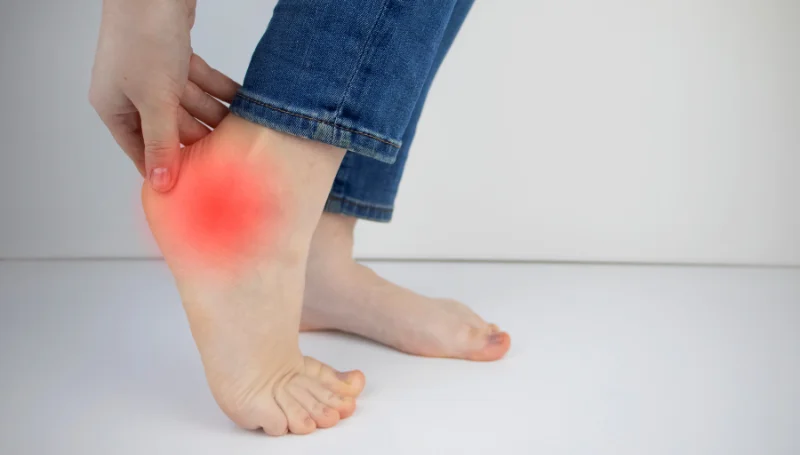
The good news is that bursitis can be effectively treated if diagnosed early in its development stages and most cases do not require surgery.
Your doctor will determine the appropriate level of care that is necessary for your condition. Treatment is generally started with the least amount of intervention and is then escalated to more aggressive measures as needed.
Stage 1: Conservative Treatment (First-Line Care)
Bursitis is relatively easy to treat if caught early. The first step in the treatment of bursitis is to cease any activity that may have caused the condition. To reduce inflammation and swelling, apply an ice pack to the affected area for 15–20 minutes several times a day.
Taking anti-inflammatory medication will help to reduce the inflammation and pain caused by bursitis. A supportive brace can also assist in providing additional support to the joint and may also help in preventing further trauma to the joint.
The bursitis treatment for knee, elbow and other joints is often addressed at the earliest stage and the patient usually recovers from symptoms within weeks.
Stage 2: Physiotherapy and Rehabilitation
Bursitis treatment physiotherapy is vital in order to ensure a full recovery from a diagnosis of bursitis. Your physiotherapist will educate you on a specific exercise programme that will improve the strength of the muscles surrounding the affected joint. This will help to decrease pressure within the inflamed bursa.
The regaining of range of motion is also a very important aspect of any bursitis treatment physiotherapy programme, and this will be achieved through a structured rehabilitation programme, which will help to improve the mobility of the joint in a safe and controlled environment.
Your physiotherapist will also educate you on how to improve your posture and body awareness to prevent future episodes of bursitis. So, whether you need bursitis treatment for shoulder following an episode of rotator cuff injury, or bursitis treatment in hip following an episode of overuse, your management plan should include physiotherapy.
Stage 3: Advanced Non-Surgical Treatments
If the conservative treatment is not yielding results, the doctor may have to recommend some more invasive treatment options.
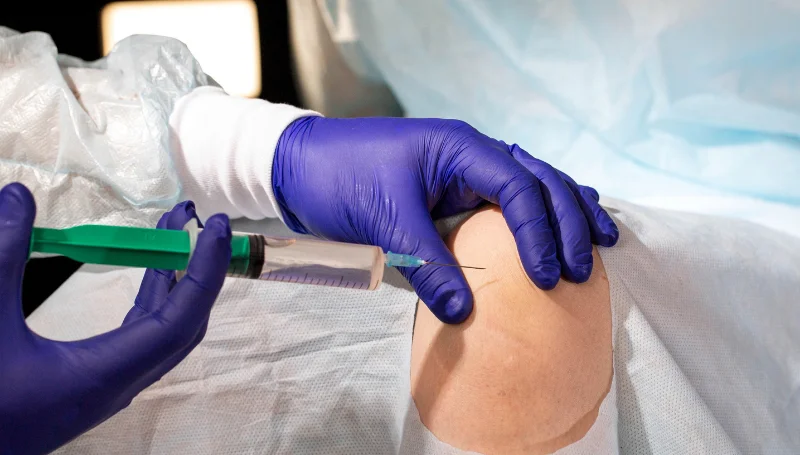
In such cases, corticosteroid injections into the inflamed bursa are known to bring quick relief from the pain and the accumulation of fluid in the bursa is also drained out through an aspiration done under medical guidance.
Orthopedic specialists make sure that they carry out the whole treatment with care and accuracy. So, for accurate and safe administration of these treatments, it is always best to consult the best orthopedic in Gaya.
Our orthopedic specialist in Gaya, Dr. A. Ghufran, MBBS & MS (Ortho) has years of experience in diagnosing and treating bursitis. He is currently practicing at Dr. A Barkat Multispeciality Hospital in Gaya and is experienced in both diagnostic and interventional orthopedic care for bursitis.
Stage 4: Surgical Treatment (Rare Cases)
Surgery is not common for this condition. Surgery may be required if chronic bursitis does not respond to all other forms of treatment. The surgery required in such cases is called bursectomy, where the inflamed bursa is completely removed.
Arthroscopic procedure is a surgical procedure which is carried out with the help of a tiny camera and instruments. The camera and the surgical instruments are inserted via small incisions. These help in reducing the amount of soft tissue damage. So, the healing time is also less.
If you are experiencing swelling in the joint for months and have not seen improvement in the condition after conservative treatments, then it is time to visit the best ortho surgeon in Gaya.
Our ortho specialist, Dr. A. Ghufran, at Dr. A Barkat Multispeciality Hospital will guide you with the assessment required for any surgery if the condition does not improve with the conservative management.
Recovery Timeline
Recovery rates will vary between individuals and are determined by the length of time active inflammation has been present within the inflamed bursa.
Thus, mild bursitis where the individual does not require any major change to their lifestyle (i.e. the patient gets well with rest and medications without problem) will usually recover within two to four weeks.
Moderate bursitis that requires a course of physiotherapy will generally take four to eight weeks to recover from. Where symptoms have been present for a long period of time (i.e. chronic bursitis), the full rehabilitation programme will need to be fully followed for optimal benefit.
The key to a good recovery will depend on the regularity of visits to physiotherapy and the adherence to the advice given by the doctor.
It is very important to recognize the stage of your treatment and recovery period after injury. This will enable you to understand the severity of the damage you have sustained. The next question is when to stop hoping that the pain and symptoms will resolve on their own and instead seek the advice of a specialist.
When to See an Orthopedic Specialist for Bursitis Treatment in Gaya?
A little bit of joint soreness after working out is normal and should be easily resolved with some rest. But bursitis is not normal and if you have persistent and possibly increasing symptoms, you may need to see a doctor for an evaluation.
Many patients delay seeking care thinking that the swelling and pain will improve on its own, when in fact the inflammation has become entrenched and can be much more difficult to treat.
If the joint pain does not improve with the recommended home care in 2 weeks, an appointment needs to be made with a bone specialist doctor in Gaya.
Early diagnosis and treatment will help in preventing long-term therapy needed, if the condition is allowed to progress for months.
Pay close attention to the following warning signs:
- Symptoms lasting longer than 2 weeks despite rest
- Severe swelling or visible redness around a joint
- Difficulty walking, climbing stairs, or lifting objects
- Recurring joint pain that keeps coming back in the same area
If you have any of the following symptoms, the condition is now more serious than minor inflammation. If you have a fever in addition to swollen joints, this may be a sign that the bursa has been infected.
We recommend that you see the best bone doctor in Gaya for proper diagnosis and urgent medical attention in these cases. Do not delay care in these cases.
Getting an early diagnosis isn’t about dealing with your pain now – it’s about thinking about your joints in the future. That is exactly where a dedicated orthopedic facility makes a difference.

Start Your Bursitis Recovery at Dr. A Barkat Multispeciality Hospital
Bursitis is manageable if dealt with in the early stages. If ignored, inflammation can develop and what could be a short period of rest and rehabilitation can easily turn into a longer period of pain and suffering. Early diagnosis will help to prevent chronic inflammation and loss of joint mobility.
Dr. A Barkat Multispeciality Hospital, the best hospital in Gaya, has all the facilities for comprehensive orthopaedic care.
Whether you need orthopaedic consultation, physiotherapy, X-ray, diagnostic services, or injection therapy, Dr. A. Ghufran and the team are equipped to guide your recovery.
Early intervention of orthopedic conditions is an excellent way of managing pain and preventing permanent dysfunction. Contact us now to arrange an appointment.
Leave a Reply