
Typhoid fever is a dangerous bacterial infection caused by Salmonella typhi. Because the bacteria are typically found in contaminated food and water, the disease spreads widely in developing areas where sanitation remains a work in progress. Like many parts of Bihar, Gaya has witnessed a steady stream of typhoid cases, especially among children.
Children are at greater risk of contracting typhoid than adults because they have not yet developed an adequate immune system to protect them against various infections.
As a result, their bodies will react much faster to the disease and its symptoms, as well as experience more severe reactions, since they do not have the same defenses to fight off the disease as adults do.
In addition, there are many reported cases of typhoid causing long-term health problems. However, with the right type of treatment in a timely manner, many if not all of these can be avoided.
Therefore, it is extremely important for parents to recognize when a child needs medical attention for fever in Gaya. The residents of Gaya have access to expert pediatric consultations at Dr. A Barkat Multispecialty Hospital along with emergency care services for children that can effectively treat infectious diseases quickly and efficiently.
The forthcoming sections provide a complete overview of the symptoms of typhoid fever in children and how to identify the symptoms of the disease, the proper management of typhoid fever in children, and when to seek immediate medical attention for typhoid fever in children.
Early Signs of Typhoid in Children Parents Should Not Ignore
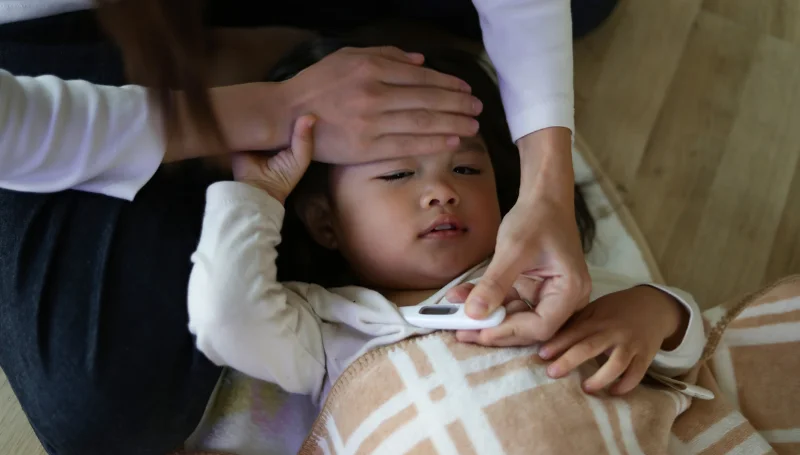
Early detection of typhoid fever is essential to fighting the disease on time. It is possible that your child will not be able to communicate their feelings with you. Therefore, watch your child closely for these warning signs of typhoid fever:
Typical Symptoms
- High fever — usually increases gradually over several days
- Weakness — your child may be excessively tired or weak
- Abdominal pain or bloating — the stomach area may hurt severely and worsen with time
- Decreased hunger — refusal to eat even their favourite foods
- Dull headache — recurring headaches sometimes in combination with body pain
- Diarrhea or constipation — changes in bowel movements (more or less) than usual for your child
- Pink rose spot rash — some children develop flat pink spots on the chest or stomach
If your child has any of these sickness signs lasting for more than two days, don’t hesitate to first reach out to a child specialist doctor in Gaya as soon as possible.
Dr. Saba Ekta — MBBS, MD (Paediatrics) is one of the best pediatric doctors (providing services at Dr. A Barkat Multispeciality Hospital in Gaya) who is well equipped and experienced to help children presenting with fever and different kinds of infections.
Symptom Timeline in Children
Day 1-3: A mild to moderate fever and tiredness are common symptoms that your child will display. In fact, during the initial stages, it’s common for parents to consider typhoid fever symptoms as the common flu.
Day 4-7: By this time, discomfort in the abdomen becomes apparent. Apart from that, digestive changes such as diarrhea or constipation may also be seen. Fever usually escalates at this time.
Week 2: If the disease goes unchecked, symptoms get aggravated. The risk of complications like intestinal damage increases significantly at this stage.
From this, you can see that consulting a pediatrician early on is not a choice but a necessity. One or two days delay can shift typhoid from a treatable condition to a life-threatening one.
Taking steps to get your child checked when the initial symptoms appear protects them from not only longer suffering but more invasive treatments too.
Diagnosis and Medical Treatment for Typhoid in Children in Gaya
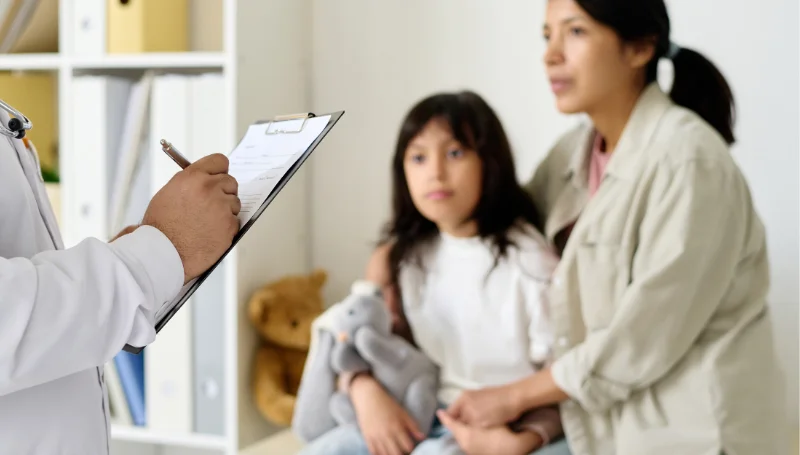
Effective typhoid treatment is firstly based on accurate diagnosis. Guessing and administering medicines to children by oneself without a doctor’s advice is not only a danger for the child’s recovery but also a cause of resistance to drugs.
Here are the tests typically carried out by the pediatrist before suggesting a course of treatment:
- Blood tests: The main symptoms, changes in blood components, and inflammatory markers are identified through blood testing, which helps doctors get the first clues about typhoid.
- Widal test: This serological test is used to confirm typhoid, via measuring the level of antibodies against Salmonella typhi in the blood especially if this test is done after the first week of the disease.
- Blood culture: This is the best method to identify the presence of typhoid bacteria in the blood. Therefore, it helps the pediatrician to select the right medications.
Antibiotics for Treating Typhoid
After confirming the diagnosis, the child doctor will determine the proper antibiotic regimen for the child. The latest treatment for typhoid fever includes options like azithromycin or cefixime, which are chosen based on the child’s age, weight, and the severity of their illness.
Determining which medicine is best for typhoid in child depends entirely on this clinical assessment. Remember to never medicate your child without a doctor’s guidance.
Hydration and Nutrition Support
Typhoid children suffer from body fluid loss due to high fever and digestive problems. So, it becomes very necessary to keep them well hydrated during this time.
Typhoid fever treatment and diet are two aspects that complement each other. Mild, non-irritating, easy-to-digest foods will support body recovery without burdening the gut.
For typhoid fever treatment, a shot can also be given in a hospital setting if oral medicine is not effective enough.
Hospital Services at Dr. A Barkat Multispeciality Hospital
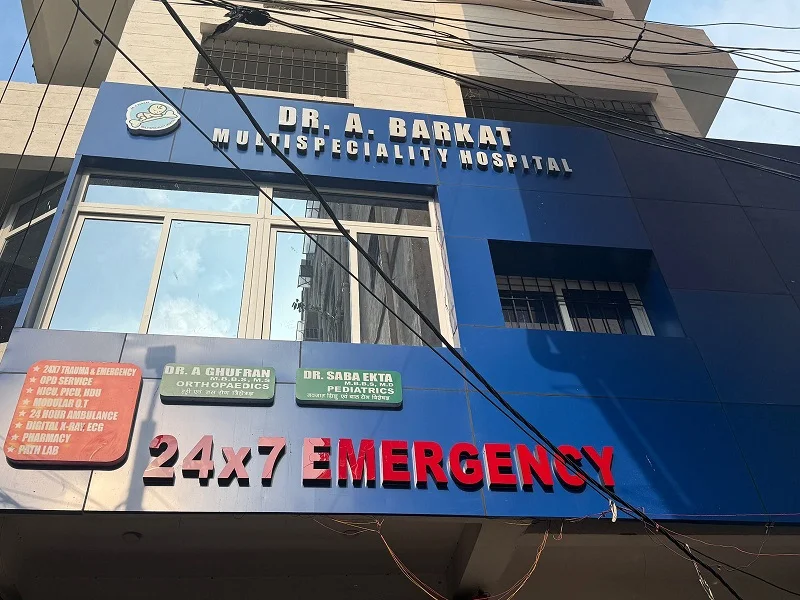
Annually, many families come to Dr. A Barkat Multispeciality Hospital, popular as the best hospital in Gaya for pediatric infections, for complete typhoid treatment under one roof.
- Pediatric care: Doctors specialized in pediatrics study the case of each child before putting a treatment plan together, in accordance to the child’s age, the seriousness of the illness, and how the child responds to the medicine given to them.
- Laboratory tests: The hospital has a well-equipped pathology lab that carries out all blood tests, widal tests, and blood cultures as promptly as possible so that there is no delay in starting the treatment.
- Fever management: The hospital has a 24/7 staff who is present at all times for emergencies, regularly monitoring the patient’s condition in order to keep the fever at low levels as well as preventing the neurological or cardiovascular complications that high fever is capable of causing in very young patients.
- Watching out for complications: With the close supervision of the children, it becomes easy to identify the symptoms of deteriorating health in the child which help in making quick decisions about the medical intervention.
Besides that, the hospital is equipped with a 24/7 Emergency and Trauma department for severe typhoid cases which might require immediate interventions.
In fact, early hospital-based treatment is not only good, in many cases, it is the only option to prevent life-threatening outcomes.
Possible Complications of Untreated Typhoid in Children
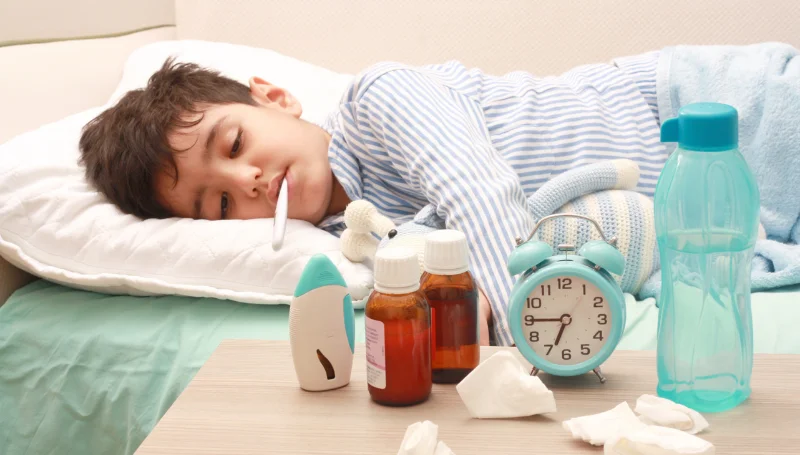
Ignoring treatment not only delays the recovery but also raises the risk for complications that could be harmful to your child’s health in the long term.
1. Severe dehydration: A child’s body gets depleted of fluids rapidly during a high fever and stomach problems. The absence of medical hydration could soon make the organs suffer serious damage.
2. Intestinal bleeding: The bacteria can harm the intestinal walls leading to internal bleeding. This is a medical emergency that requires a hospital’s supervision right away.
3. Intestinal perforation: A hole can develop in the intestinal wall, if the case is left without treatment for too long. A person who is in this situation urgently requires surgery and the risk to the patient’s life is very high if not treated immediately.
4. Residual tiredness and malnutrition: Children who suffered prolonged illness before their infection was finally controlled, often find it difficult to regain full strength and nutritional levels quickly and may suffer for prolonged time periods than the patients who were treated during the initial stages.
5. Recovery is slow when treatment is given late: This follows the above point. Treating children when they are already in their second or third week of illness means that the recovery period will be longer, which will affect school attendance and the child’s overall growth.
While we are at the topic of complications, it’s also crucial for parents to look out for certain warning signs that can indicate the need for immediate treatment. This can help prevent complications and serious consequences.
Warning Signs That Demand Immediate Hospitalization
Certain symptoms are the indication that your child’s condition has become so serious that you can barely manage it at home. If you see any of these, take your child to the hospital right away; don’t wait for a routine appointment.
- Fever lasting more than 4–5 days with no improvement
- Persistent vomiting that prevents fluid intake
- Severe abdominal pain or a rigid, hard stomach
- Extreme weakness or inability to sit or stand
- Child becoming drowsy, difficult to wake, or confused
This is why treatment in a hospital setting is more appropriate for children, mainly because doctors have the chance to constantly monitor vital statistics, change medication dosages, if necessary, give IV fluids, and perform very sudden intervention in case of quick deterioration.
Safety measures that exist at home aren’t the ones to depend on in emergency cases.
Having a well-trained medical team to cater to your child’s condition hour by hour could be the deciding factor in the difference between getting perfectly back to normal and a continuing health crisis.

Frequently Asked Questions
Here are some of the most commonly asked queries answered for parents so that they can schedule their child’s treatment on time.
1. What is the treatment for typhoid in kids?
You can help your child by giving them doctor-prescribed antibiotics for typhoid, and making sure they get lots of fluids and nutrition. You also want to monitor your child’s condition and report to the doctor if any issues arise.
2. Is typhoid serious in children?
Yes, typhoid can be serious in children. Children have a high risk of developing serious health problems from typhoid if they are treated too late. If children are treated too late, typhoid may result in intestinal damage.
3. How long is typhoid treatment for children?
The course of treatment for antibiotics for children with typhoid usually lasts between 10 to 14 days. The length of time it takes for a child to fully recover from typhoid depends on how severe their case was. In general, it usually takes around 3 to 4 weeks for a child to fully recover from typhoid.
4. Do kids recover from typhoid?
If a child receives an early diagnosis and is properly treated by a medical professional, they will recover completely from typhoid.
5. Can we treat typhoid kids at home?
Only mild cases of typhoid can be cared for at home by a parent or guardian with close supervision by a doctor. But it is recommended that the child be admitted to a hospital if the child is very young or has moderate to severe symptoms.
6. Which syrup is best for typhoid in children?
You cannot administer any syrups for treating typhoid without a doctor’s prescription. A pediatrician will prescribe the type of antibiotic medication to administer to the child depending on the age and condition of the child.
7. Can typhoid be dangerous for children?
Yes, if typhoid is not treated on time, it can be very dangerous for children. Children who contract typhoid and don’t get treatment early may develop intestinal bleeding, perforation in their intestines, and suffer from severe dehydration, which are all emergency situations requiring immediate medical care.
8. When should I take my child to the hospital for typhoid?
Take your child to the hospital if the child develops a fever that lasts longer than four or five days, or if the child displays any of the following symptoms: vomiting, severe abdominal pain, extreme weakness, and confusion.
These questions are often asked, and being aware of the answers is good for when time is of the essence.
Reliable Typhoid Treatment for Children in Gaya
Typhoid fever can be fatal if ignored, but it’s also a disease that responds well to medicine if caught early. So, you shouldn’t overlook a fever that stays for several days in your kid; high fever can be very dangerous and needs professional medical intervention rather than home remedies.
One of the best pediatric hospitals in Gaya is Dr. A Barkat Multispecialty Hospital. The hospital provides you an opportunity to discuss with the top pediatric doctors, 24×7 lab and pathology services, and the availability of all forms of typhoid treatments along with hospitalization.
Besides offering high-quality specialist consultation for children, Dr. A Barkat Multispeciality Hospital is the best emergency hospital in Gaya which is open 24/7 and provides instant care for emergency situations that need hospital stay or are too serious to delay.
If you recognize your child’s typhoid symptoms (such as fever rising steadily and abdominal pain), you should seek medical help as soon as possible because those children who get treatment early will not only suffer less damage, but also their recovery will be quicker.
To put it another way, your child will start showing signs of recovery from typhoid soon after you provide appropriate treatment to typhoid (i.e. decrease in fever, increase in appetite).
It’s also important to note that many people are afraid of going to a hospital but Dr. A Barkat Multispecialty Hospital is very careful in keeping patients safe with strict infection control protocols and there is no spread of dangerous bacteria between patients.
So, if you think your kid is experiencing symptoms of a bacterial disease, there is no time to waste, make a pediatric visit appointment as soon as possible.
Early and precise treatment of typhoid will not only bring relief to your child at once but also you will avoid the progression of disease. So, book your consultation with our pediatrician right away!
Leave a Reply