
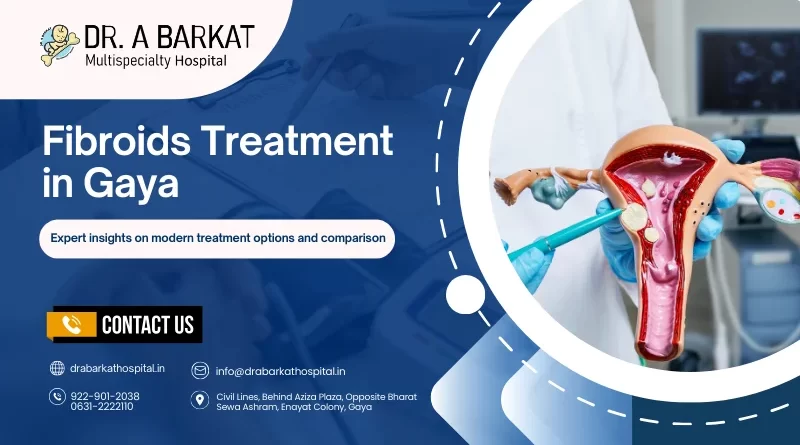
Uterine fibroids are non-cancerous growths which develop inside or outside the uterus. Some epidemiological studies show the condition affects 70% of women by the time they reach 50.
Heavy menstrual bleeding together with pelvic discomfort and pressure-related symptoms affect women when they’re experiencing the complications of fibroids. The good news? You no longer need to visit Patna or its surrounding major cities for your needs.
Fibroids treatment in Gaya has advanced significantly because patients can now receive specialized medical care within their local area.
Early detection of this condition allows doctors to start treatment right away, preventing major complications like severe anemia and fertility problems.
The medical staff at uterine fibroids Gaya treatment centers provides individualized medical care which focuses on your specific health requirements. Whether you need medication or surgery, we offer the best fibroids care in Gaya with world-class treatment options closer to your home.
Fibroids Treatment in Gaya – All Fibroids Treatment Options Available
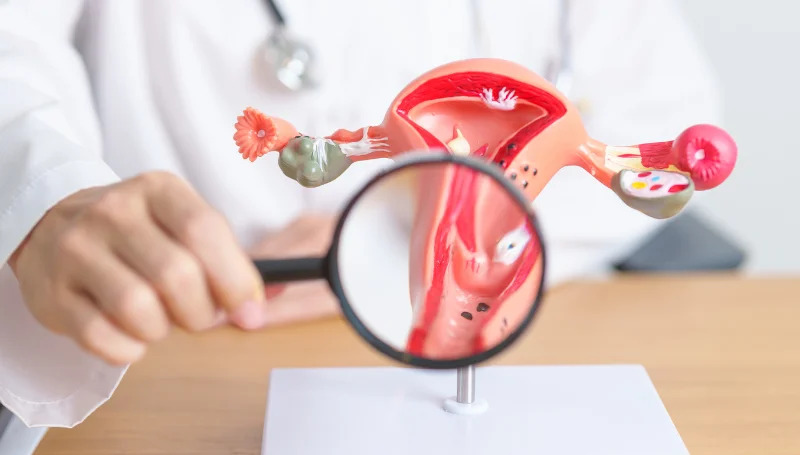
The selection of suitable medical care starts by discovering and learning about all existing treatment options. This section provides detailed information about all available treatments tailored to your individual needs regarding pregnancy planning, severe symptom management, and minimal intervention options.
NOTE: The path to fibroid treatment for women varies from person to person, so we suggest you consult the best gynecologist doctor in Gaya to determine your best course of action.
👩⚕️ Medical/Conservative Management
1. Hormonal medicines (e.g., GnRH agonists, IUDs): The treatment of heavy menstrual bleeding in patients often involves hormonal medications like GnRH agonists and IUDs. GnRH agonists work by reducing estrogen levels, which results in temporarily fibroid size reduction.
However, the treatment of fibroids through medication provides only temporary benefits because the growth of fibroids will return after patients discontinue their medication.
2. Symptom management (pain relief, anemia treatment): The treatment of symptoms includes using pain relievers and anemia medications. Pain relievers work for pain control and managing discomfort. Whereas, iron supplements help manage anemia because of heavy bleeding. The treatment approach involves symptom control rather than eliminating fibroids directly.
Medical management provides the most effective treatment for women who have mild symptoms or who are approaching menopause. The treatment process advances to more complex procedures only when conservative methods fail to bring sufficient relief.
🔬 Minimally Invasive Procedures
1. Uterine Artery Embolization (UAE / UFE): The medical procedure of Uterine Artery Embolization (UAE / UFE) cuts off blood supply to fibroids which results in their reduction without open surgery. The recovery process from this procedure takes less time than conventional surgical methods but it could impact fertility potential in certain situations.
2. MRI-guided focused ultrasound (non-invasive): MRI-guided focused ultrasound uses high-intensity ultrasound waves to destroy fibroid tissue without requiring any surgical cuts or anesthesia. The procedure remains non-invasive but it shows limited effectiveness for treating fibroids which exist in specific locations or have particular characteristics.
3. Radiofrequency ablation options: The procedure uses heat energy to destroy fibroid tissue through small incisions which allows the uterus to remain intact. This outpatient procedure has minimal downtime but isn’t suitable for very large fibroids.
These innovative treatment options provide a middle ground between pharmaceutical interventions and complex surgical methods. However, surgical intervention sometimes provides the best solution for women who need this treatment approach.
🔪 Surgical Treatments
Laparoscopic surgery for fibroids: The surgical procedure for fibroid removal through laparoscopy allows doctors to perform fibroid removal through small incisions while using a camera. This approach allows minimal tissue damage. The treatment approach produces better results for patients because it reduces the risk of scarring while speeding up recovery at a faster pace than what open surgery provides.
Myomectomy (fibroids removal preserving uterus): The surgical procedure of myomectomy allows doctors to extract fibroids from the body while preserving the uterus, which makes it suitable for women who want to get pregnant. The recovery process for this procedure requires 2-4 weeks of time but fibroids might return occasionally.
Hysterectomy (when recommended): The permanent removal of the uterus through hysterectomy eliminates fibroids completely and becomes the recommended treatment when all other options have been exhausted and when family planning is complete. The procedure needs patients to stay in hospital for an extended period of time but it provides a permanent solution to their condition.
Surgical procedures offer permanent solutions which work best for patients who have big or multiple fibroids.
Your personal circumstances together with your family planning goals will help you decide between the available options. Here’s a comparative table to help you make that decision.
Which Treatment May Suit You?
| Your Situation | Recommended Options |
| Under 35, planning pregnancy | Myomectomy, radiofrequency ablation |
| Severe symptoms, family complete | Hysterectomy |
| Mild symptoms, small fibroids | Hormonal medicines, symptom management |
| Multiple large fibroids | UAE, laparoscopic myomectomy |
| Avoiding surgery | MRI-focused ultrasound, UAE |
Choosing the right treatment depends on multiple factors including what causes fibroids to grow in your case, your age, and future plans. Your gynecologist will help you weigh these options carefully.

From First Symptoms to Recovery: Patient Treatment Journey in Gaya

Patients who understand their future treatment possibilities are usually less fearful because they can begin preparing for their medical procedures.
The following steps describe how patients receive treatment for fibroids at specialized centres, providing surgical options as well as fibroids treatment without surgery.
1. First Consultation
Your first appointment will involve sharing your symptoms together with your medical background and your fertility goals which will help the gynecologist select appropriate diagnostic methods and treatment approaches. The doctor will also perform a physical checkup to determine if fibroids exist in the body.
2. Diagnostic Tests Timeline
Most patients get ultrasound tests on the same day but they may need to schedule different appointments for MRI and blood tests to finish their evaluation.
The test results become available within 2-3 days which enables healthcare providers to create appropriate treatment plans.
3. Treatment Decision-making Process
Your doctor will present all available treatment choices which depend on your test results, fibroid characteristics, and your personal treatment preferences. Your healthcare partner will create a personalized plan for you which is well suited to your lifestyle and targets your particular health goals.
4. Hospital Stay or Day-care Procedure Details
The duration of hospital stay for minimally invasive procedures and major surgeries differs because minimally invasive procedures often need only day-care admission but major surgeries require 2-3 days of hospitalization. The preparation instructions help you prepare for the selected medical procedure.
5. Recovery Expectations and Follow-Ups
The duration of recovery depends on treatment methods because non-invasive procedures usually need a few days to heal while surgical procedures need weeks for complete recovery. The healthcare provider needs to check on the patient’s recovery process while verifying that the fibroids have not returned. Thus, regular follow-ups are really important.
Understanding the importance of checking for fibroids early will help you get the needed care on time. So, you need to see a doctor right away when you continue to experience medical symptoms.
Why Choose a Multispecialty Hospital in Gaya for Fibroids?
The ability to access complete medical services under one roof provides patients with safer and more coordinated treatment plans. As the best hospital in Gaya for fibroid treatment, Dr. A Barkat Multispeciality Hospital offers distinct advantages.
At Dr. A Barkat Multispeciality Hospital, you benefit from:
- Comprehensive approach: The medical team consists of experienced OBGYN specialists who cannot only help you get relief from fibroid symptoms but also resolve fertility related concerns.
- Diagnostics available on-site: The facility provides on-site diagnostic services with ultrasound and blood testing.
- Supportive services: The treatment program will also include (when needed) fertility counseling, nutritional guidance, and preoperative and postoperative medical care for patients.
- 24/7 emergency support: The hospital provides continuous emergency assistance which remains available throughout all hours of the day and night for handling any urgent medical issues.
- Modern operation theaters: The operation theaters are equipped with modern laparoscopic equipment which has brought significant improvements to surgical practices.
The hospital provides immediate access to imaging results and specialist medical consultations, which enables you to start the treatment for dangerous fibroid sizes right away.
The medical services will be available at one location, which eliminates the need for patients to visit different hospitals for their tests and doctor consultations.
Empowered Choices for Fibroid Care at Dr. A Barkat Multispeciality Hospital
You require medical care which addresses your individual health requirements and also accounts for your current lifestyle.
Whether you’re exploring tablets to shrink fibroids or considering surgical removal, making informed choices puts you in control of your treatment journey.
The majority of people who develop fibroids will not experience cancer symptoms because these growths typically remain non-cancerous. Medical professionals use routine check-ups to detect any fibroid-related changes which help them identify potential issues at their beginning stages.
The time has come to take control of your fibroids. Book a consultation at Dr. A Barkat Multispeciality Hospital and seek care from our best gynecologist in Gaya, Dr. Sania Akhtar (Gynecology), MBBS, MS OBGY.
Your unique situation will help doctors create a special treatment plan which suits your needs. Ask about fertility-preserving options and new treatment for fibroids without surgery—our top gynaecologist in Gaya will help you with a comprehensive plan for the condition and associated complications.
The right treatment plan enables thousands of women with fibroids to maintain their active and healthy lifestyle. Your journey to better health starts with one conversation—reach out today.
Leave a Reply